Is a Root Canal Painful? What to Expect Before, During, and After
One of the most common questions patients ask before endodontic treatment is: is a root canal painful? The concern is understandable, particularly if you have previously experienced dental pain or have heard negative stories about root canal treatment. In reality, modern endodontic techniques are designed to control discomfort carefully throughout the procedure.
The pain caused by an infected or inflamed tooth can often be more significant than the discomfort associated with treating the underlying problem. At Premier Smile Dental Excellence in Leighton Buzzard, DR Nooshin Vasfi takes particular care to understand each patient’s concerns, explain what will happen, and provide treatment based on the individual condition of the tooth. This article explains what you can expect before, during and after treatment, including how discomfort is managed and why specialist endodontic care can make an important difference.
Why Is a Root Canal Sometimes Associated With Pain?
When patients ask is a root canal painful, it is important to distinguish between the symptoms caused by the dental problem and sensations associated with the treatment itself. A tooth may require root canal treatment because the pulp inside it has become inflamed or infected. This can happen because of deep dental decay, a crack, trauma, or repeated dental procedures. When the pulp becomes significantly inflamed, patients may experience spontaneous pain, sensitivity to hot or cold, discomfort when biting, or pain that seems to radiate towards the jaw or surrounding teeth.
In many cases, the reason a patient is considering treatment in the first place is that the tooth is already causing discomfort. The purpose of root canal treatment is to remove the diseased tissue, clean the internal canal system and seal the tooth. Treatment therefore addresses the underlying cause rather than simply masking symptoms. Because every tooth and every patient is different, the level of discomfort before treatment can vary considerably. A clinical assessment is necessary to determine what is happening inside the tooth and whether root canal treatment is appropriate.
Is a Root Canal Painful Before the Treatment Begins?
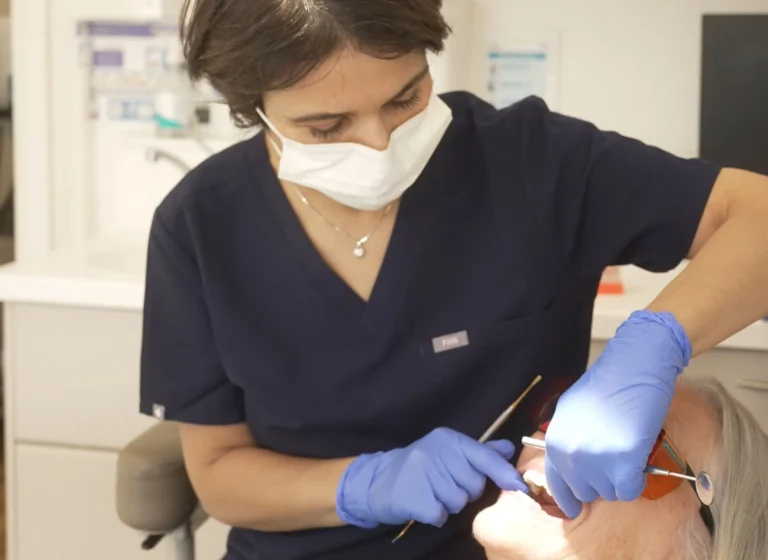
Before asking is a root canal painful, it can be helpful to understand what happens during the assessment. Root canal treatment should not begin simply because a patient reports toothache. DR Nooshin Vasfi first needs to determine the source of the symptoms and understand the condition of the tooth. This involves listening carefully to the patient’s description of their symptoms, carrying out a clinical examination and, when appropriate, using dental imaging to examine the internal structures.
Some patients experience significant pain before treatment, while others have an infection without obvious symptoms. Pain is not always a reliable indicator of the extent of dental disease. A tooth can sometimes have extensive inflammation or infection while causing relatively little discomfort. Conversely, inflammation can produce considerable sensitivity even when the visible damage appears limited. This is why professional diagnosis is important. Trying to manage persistent dental pain at home without identifying its cause may allow an underlying problem to progress. A proper examination provides the information needed to determine the safest and most appropriate course of treatment.
How Is Pain Controlled During Root Canal Treatment?
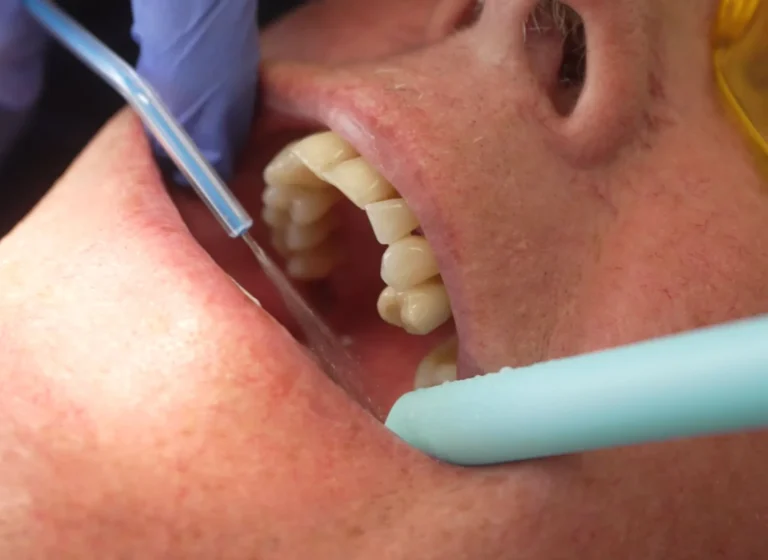
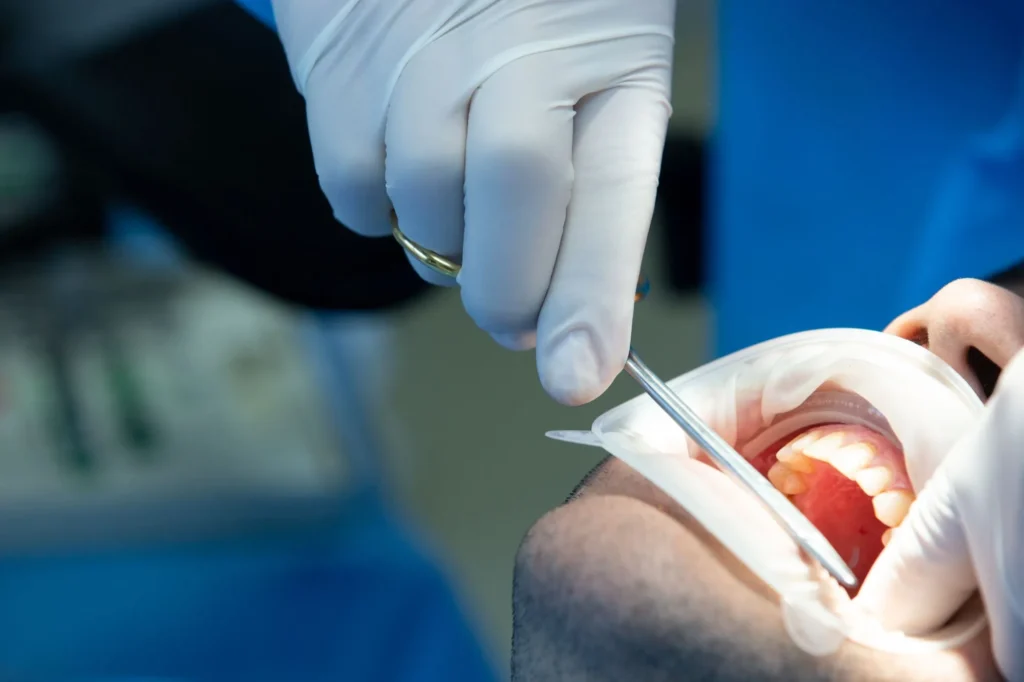
A major concern behind the question is a root canal painful is whether the patient will feel pain while the dentist is working on the tooth. Before treatment begins, the area is carefully anaesthetised using local anaesthesia. The objective is to ensure that the tooth and surrounding tissues are sufficiently numb before the procedure starts. The effectiveness of anaesthesia is assessed before treatment progresses, and additional measures can be taken when clinically necessary.
Once adequate anaesthesia has been achieved, the procedure should not involve the sharp pain associated with an untreated inflamed pulp. Patients may still be aware of pressure, movement or vibration, because these sensations are not always eliminated by local anaesthesia, but they are different from pain. Communication is also important. At Premier Smile Dental Excellence, extra time can be given to patients who feel nervous about dental procedures, allowing concerns to be discussed before treatment starts. If you feel uncomfortable at any point, you should tell the dentist rather than attempting to tolerate the sensation silently.
What Happens During a Root Canal Treatment?
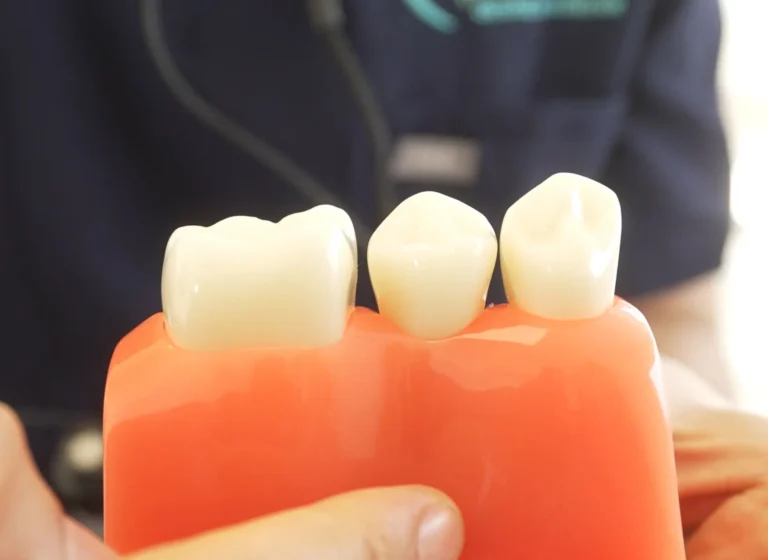
To understand is a root canal painful, it helps to know exactly what the procedure involves. Root canal treatment begins with careful access to the inside of the affected tooth. The diseased or infected pulp is removed, and the internal canal system is then cleaned and shaped. The canals can be extremely narrow and may contain complex anatomy, which is why precision is particularly important during endodontic treatment.
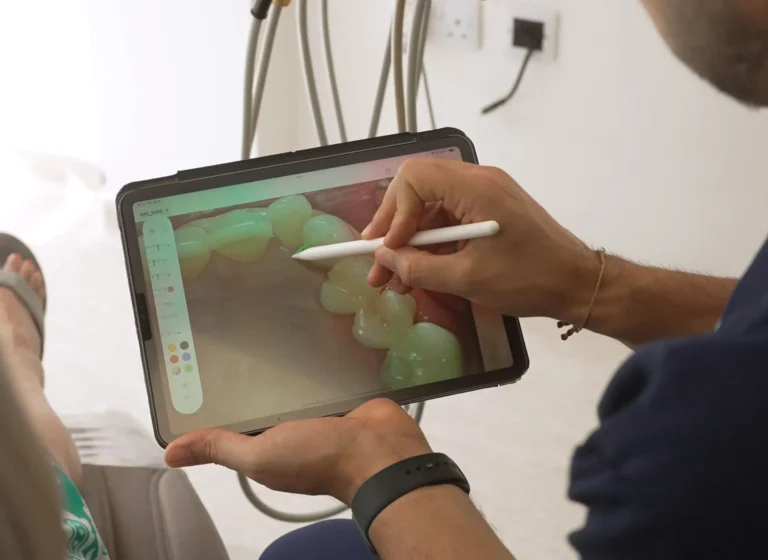
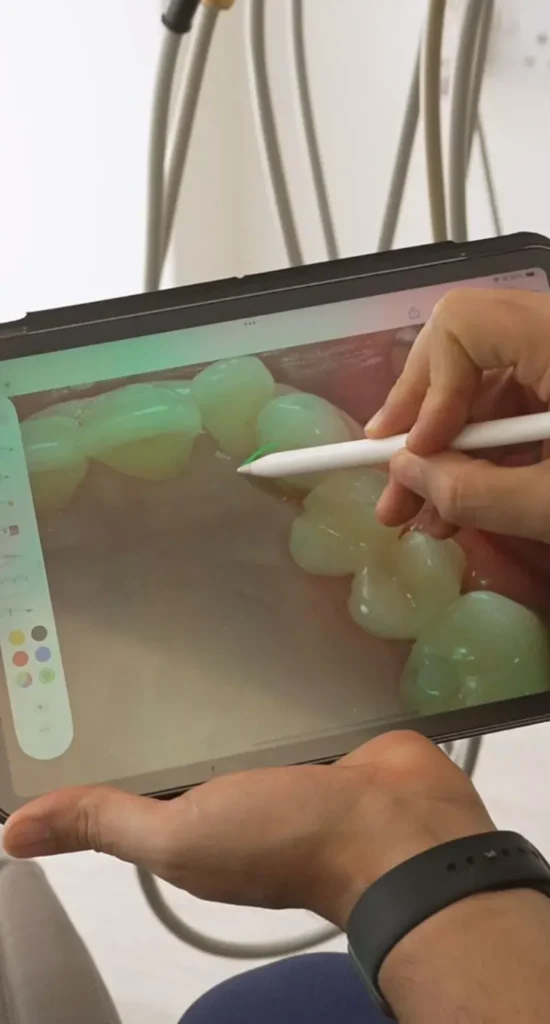
DR Nooshin Vasfi uses microscope-assisted dentistry to improve visibility during complex procedures. Magnification can help identify small anatomical structures and allow the internal areas of the tooth to be treated carefully. Cleaning and disinfection are then carried out using appropriate endodontic techniques. Ultrasonic disinfection may also be used when clinically appropriate to support the cleaning process. Once the canals have been adequately prepared, they are filled and sealed with suitable materials. The final stage involves restoring the tooth so that it can return to normal function and is adequately protected from further damage.
Can an Infected Tooth Hurt More Than the Treatment?
Patients who ask is a root canal painful are sometimes surprised to learn that the discomfort caused by an infected tooth can be considerable. Inflammation within the confined space of the tooth can place pressure on sensitive tissues and may result in persistent or intermittent pain. Some patients describe pain when biting, while others experience throbbing discomfort or sensitivity that lasts after exposure to hot or cold temperatures.
The important point is that symptoms vary. A patient may have severe dental pain, mild sensitivity or no noticeable symptoms at all. An absence of pain does not necessarily mean that treatment is unnecessary. If an infection has damaged the pulp, bacteria can continue to affect the tissues around the root even when the initial symptoms have subsided. Professional assessment is therefore more reliable than judging the condition of a tooth based solely on how it feels. When treatment is indicated, the purpose is to remove the diseased tissue and provide the tooth with an opportunity to remain functional.
How Does Specialist Endodontic Care Help Manage Complex Cases?
When considering is a root canal painful, patients should also consider the complexity of the tooth being treated. Not every root canal system has the same anatomy. Some teeth have multiple canals, sharply curved roots, very narrow spaces or anatomical variations that make treatment more demanding. Previous root canal treatment can also create additional challenges that require detailed assessment.
DR Nooshin Vasfi is a Specialist Endodontist with extensive postgraduate training specifically in endodontics and more than 27 years of clinical experience. Her training includes advanced study in restorative dentistry and endodontics, with a particular focus on procedures designed to save natural teeth. Her approach combines clinical experience with microscope-assisted treatment, CBCT imaging and advanced disinfection techniques where appropriate. These tools support accurate diagnosis and careful treatment planning. Specialist endodontic care does not mean that every procedure will be identical; instead, it allows the treatment to be adapted to the anatomy and condition of each individual tooth.
Is a Root Canal Painful After the Procedure?
Another important part of is a root canal painful is understanding what you may feel after treatment. Once the local anaesthetic wears off, some patients experience mild tenderness or sensitivity around the treated tooth. This can occur because the tissues surrounding the root may have been inflamed before treatment or may be temporarily irritated by the procedure itself. The sensation is usually different from the original dental pain that led to treatment.
The experience after treatment varies according to the condition of the tooth and the complexity of the procedure. DR Nooshin Vasfi will provide individual aftercare guidance based on your circumstances. It is important to follow those instructions and to avoid placing unnecessary pressure on the tooth until the recommended restoration has been completed. If you develop significant or worsening symptoms after treatment, you should contact the practice for advice rather than attempting to diagnose the problem yourself. Persistent pain should always be assessed professionally.
How Long Does Discomfort Last After Root Canal Treatment?
When patients ask is a root canal painful, they often want to know how long any post-treatment discomfort might continue. There is no single timeframe that applies to everyone because the response depends on factors such as the degree of inflammation present before treatment, the complexity of the tooth and the condition of the surrounding tissues.
For many patients, any tenderness gradually settles as the tissues around the tooth recover. During this period, it is important to maintain good oral hygiene while following the specific instructions provided after treatment. The treated tooth may also need a definitive restoration to protect its remaining structure. A tooth that has undergone root canal treatment can be more vulnerable to fracture depending on how much natural structure remains, so restoring it appropriately is an important part of the overall treatment plan. Regular dental care afterwards also helps monitor the tooth and the surrounding tissues over time.
Can Root Canal Treatment Be Performed Without Pain?
The question is a root canal painful cannot be answered with an absolute promise that every patient will experience exactly the same sensations. However, modern root canal treatment is performed with techniques designed to minimise discomfort and maintain patient comfort throughout the procedure. Adequate local anaesthesia, careful treatment planning and appropriate clinical techniques are central to this process.
There are also situations where achieving complete anaesthesia can be more challenging, particularly when a tooth has significant inflammation or acute infection. This does not mean that treatment cannot be performed comfortably, but it does mean that the clinician may need to adapt the approach. DR Nooshin Vasfi carefully assesses each case and takes the time necessary to establish appropriate anaesthesia before proceeding. Patients should always communicate their concerns, particularly if they have previously had a difficult dental experience. A calm, transparent conversation before treatment can help establish realistic expectations and ensure that the treatment plan reflects the patient’s needs.
What Can Make Root Canal Treatment More Comfortable?
When discussing is a root canal painful, comfort involves more than simply controlling physical sensations. Dental anxiety can make any procedure feel more difficult, particularly when a patient does not know what to expect. For this reason, taking time to explain the treatment and allowing patients to ask questions is an important part of the experience at Premier Smile Dental Excellence.
DR Nooshin Vasfi places particular emphasis on listening to patients, especially those who are nervous about dental treatment. Understanding previous experiences, concerns and expectations allows the treatment process to be explained clearly before it begins. Patients can ask about the instruments being used, the stages of treatment and what they are likely to feel. This communication can make the procedure more predictable and help patients feel more in control. There is no benefit in ignoring dental anxiety or avoiding necessary treatment because of fear. Discussing concerns openly with an experienced dental professional allows appropriate measures to be considered.
Why Is Professional Treatment Important for Dental Pain?
If you are wondering is a root canal painful, you may also be tempted to search for ways of treating dental pain yourself. Painkillers may temporarily reduce discomfort, but they do not remove infected or inflamed tissue from inside a tooth. Similarly, placing substances directly onto a tooth or gum, attempting to drain an abscess yourself, or following unverified online dental remedies can cause additional irritation or delay appropriate treatment.
Dental pain is a symptom rather than a diagnosis. It may be caused by decay, pulp inflammation, infection, a crack, trauma or another dental condition, and these problems require different approaches. Professional examination and appropriate imaging allow the underlying cause to be identified. If root canal treatment is indicated, the objective is to treat the internal source of the problem rather than simply suppress the symptoms. Delaying assessment can allow infection to progress and may make subsequent treatment more complicated. Safe endodontic care begins with diagnosis, not with a home remedy.
What Is the Success Rate of Root Canal Treatment?
Patients who ask is a root canal painful may also be concerned about whether the treatment will work. The success of root canal treatment depends on several factors, including the condition of the tooth, its anatomy, the extent of infection, the quality of the cleaning and sealing process, and the final restoration. No dental treatment can guarantee an identical outcome for every patient.
DR Nooshin Vasfi’s specialist training and experience are focused on achieving a high success rate in endodontic treatment through careful diagnosis, detailed treatment planning and precise clinical techniques. The use of CBCT imaging, microscope-assisted dentistry, ultrasonic disinfection and biomaterials when appropriate can support the management of complex cases. Following treatment, protecting the tooth with the appropriate restoration and maintaining good oral hygiene are also important. A successful root canal treatment can allow a natural tooth to remain functional for many years, making preservation of the natural tooth an important objective whenever it is clinically achievable.
Can Root Canal Treatment Prevent Tooth Extraction?
For many patients asking is a root canal painful, the larger concern is whether their tooth can be saved. Root canal treatment is fundamentally a tooth-preserving procedure. When the pulp has become irreversibly inflamed or infected but the tooth remains suitable for restoration, removing the diseased tissue can allow the natural tooth to remain in place.
Keeping a natural tooth can have important functional advantages. It allows the tooth to continue contributing to normal chewing and bite function and avoids the immediate loss of natural tooth structure. However, not every damaged tooth can be saved with root canal treatment. A tooth may be too severely fractured, lack sufficient healthy structure, or have another condition that makes restoration unrealistic. This is why an individual assessment is essential. DR Nooshin Vasfi can evaluate the tooth, explain whether endodontic treatment is appropriate and discuss the factors that influence its prognosis.
When Should You See a Specialist Endodontist?
If you are searching for an answer to is a root canal painful because you are currently experiencing dental symptoms, it is important not to postpone an assessment simply because you are worried about treatment. Persistent toothache, prolonged sensitivity, pain when biting, swelling or a recurring dental abscess can all justify professional evaluation.
DR Nooshin Vasfi is a Specialist Endodontist with extensive postgraduate training in endodontics and experience managing both routine and complex cases. At Premier Smile Dental Excellence in Leighton Buzzard, patients can receive a detailed assessment focused on understanding the source of their symptoms and determining the most appropriate treatment. A referral to an endodontic specialist may be particularly useful when the anatomy is complex, previous treatment has not been successful, or the diagnosis is uncertain. Early assessment can help clarify the situation and may provide an opportunity to preserve the natural tooth before the condition progresses further.
Conclusion: Is a Root Canal Painful?
So, is a root canal painful? Root canal treatment is designed to treat a painful or infected tooth while keeping the patient as comfortable as possible. Local anaesthesia, careful diagnosis, advanced technology and precise endodontic techniques all play an important role in controlling discomfort. Some tenderness may occur after treatment, but the experience varies from patient to patient and depends on the condition of the tooth.
At Premier Smile Dental Excellence in Leighton Buzzard, DR Nooshin Vasfi combines specialist endodontic training, extensive clinical experience and modern technology to manage root canal treatment with a strong focus on precision, patient comfort and a high success rate. If you have dental pain or have been advised that you may require root canal treatment, a professional assessment is the appropriate first step. Contact the practice to arrange an appointment and discuss your individual situation with an experienced Specialist Endodontist.
Contact me at info@nvendospecialist.co.uk to request more information today!
Or visit me at Premier Smile Dental Excellence in 34 Hockliffe St, Leighton Buzzard LU7 1HJ, UK.