What Is Gingivitis?
Gingivitis is the earliest and mildest form of gum disease. It affects the soft tissues that surround and support your teeth and is most often caused by poor oral hygiene. According to Dr Nooshin Vasfi, gingivitis may not cause pain in its early stages, which makes it particularly dangerous—because without obvious symptoms, many patients ignore it until it progresses into a more serious condition: periodontitis.
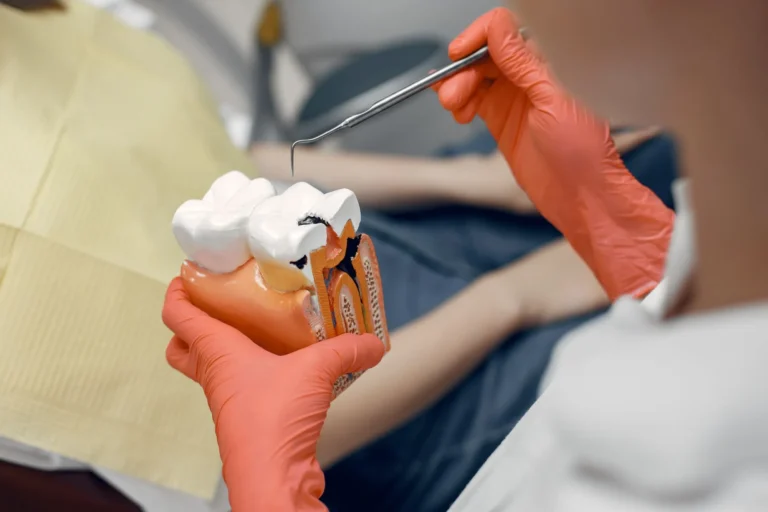
So, what is gingivitis, exactly? It’s an inflammatory response triggered by the accumulation of dental plaque—a sticky biofilm of bacteria—along the gumline. If plaque isn’t removed through daily brushing and flossing, it hardens into tartar (calculus), which irritates the gums and leads to inflammation.
Key signs of gingivitis, as outlined by Dr Nooshin Vasfi, include:
- Red, swollen gums that may look shiny or smooth
- Bleeding during brushing or flossing
- Mild gum tenderness or sensitivity
- Persistent bad breath (halitosis)
- A change in gum colour from pink to deep red or purple
- Gums that appear puffy or seem to be “pulling away” from the teeth
At this stage, the damage is still entirely reversible with professional dental cleaning and improved oral care habits. That’s why Dr Vasfi encourages routine check-ups even if there’s no pain—early detection is the best defence.
In the next sections, we’ll explore the causes of gingivitis, how it can be treated, and why ignoring it can lead to serious consequences for your smile and your health.
What Causes Gingivitis?
Gingivitis is caused by the accumulation of plaque—a sticky, bacteria-filled film that forms on teeth every day. When plaque is not effectively removed by brushing and flossing, it begins to irritate the gums, triggering an inflammatory response. This is where gingivitis starts.
According to Dr Nooshin Vasfi, the development of gingivitis isn’t just about skipping a few brushing sessions. There are several contributing factors that increase the risk of developing this condition, even in patients who think their oral hygiene is “good enough.”
🦷 The most common causes of gingivitis include:
- Poor oral hygiene – Inconsistent brushing or flossing allows plaque to accumulate and harden into tartar.
- Smoking or tobacco use – This weakens the body’s natural healing response and masks early gum disease signs.
- Hormonal changes – Puberty, pregnancy, or menopause can increase gum sensitivity and inflammation.
- Chronic illnesses – Conditions like diabetes or immunodeficiency disorders make gums more vulnerable.
- Medications – Some drugs reduce saliva flow, which helps naturally cleanse the mouth. Less saliva = more bacteria.
- Vitamin deficiencies – Especially low vitamin C, which plays a role in gum health and healing.
- Misaligned teeth or dental appliances – These create areas where plaque accumulates more easily.
- Stress – It affects the immune system, reducing your ability to fight off gum infection.
Dr Nooshin Vasfi also explains that some patients are genetically predisposed to gum problems, even with good hygiene habits. That’s why identifying risk factors and tailoring prevention strategies is key.
By understanding what causes gingivitis, you can take targeted steps to reduce your risk. And with professional support from Dr Vasfi, gingivitis can be reversed before it leads to permanent damage.
How Do You Know If You Have Gingivitis?
Gingivitis can be sneaky. In its early stages, it rarely causes pain, which is why many patients are unaware they even have it. According to Dr Nooshin Vasfi, the most reliable way to detect gingivitis is through regular dental check-ups, but there are also clear signs you can look for at home.
If you notice any of the following symptoms, Dr Nooshin Vasfi advises booking an evaluation as soon as possible:
🔍 Common signs of gingivitis:
- Bleeding gums during brushing or flossing
- Red, swollen, or tender gums
- Gums that appear shiny or puffed
- Gum recession (teeth appear longer than usual)
- Persistent bad breath or a bad taste in your mouth
- Soft or spongy gum tissue when pressed
- Plaque build-up along the gumline
These signs may be subtle at first. For example, many patients tell Dr Vasfi they assumed a little bleeding while flossing was “normal.” It’s not. Bleeding is almost always the first warning sign that your gums are inflamed and reacting to bacterial buildup.
In more advanced cases, you may also notice:
- Sensitivity to hot or cold
- Loosening of teeth
- Visible tartar deposits at the base of teeth
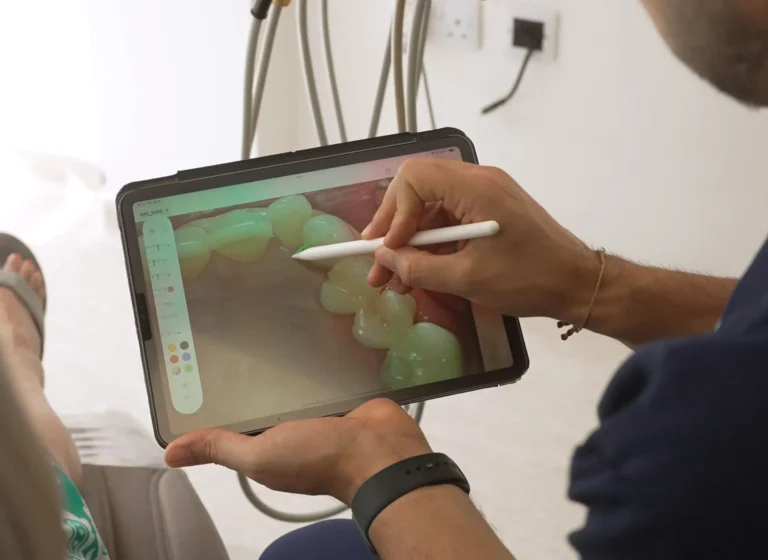
Because symptoms vary from person to person, Dr Vasfi uses a combination of visual inspection, periodontal probing, and diagnostic imaging to confirm whether gingivitis or periodontitis is present.
If you recognise even one of these signs, don’t wait. Early treatment can prevent lasting damage and restore your gum health completely.
Can Gingivitis Be Reversed?
Yes—gingivitis is not only treatable, but completely reversible when caught in its early stages. This is one of the reasons why Dr Nooshin Vasfi emphasises the importance of early diagnosis and intervention. Unlike advanced periodontal disease, gingivitis hasn’t yet damaged the bone or connective tissues that hold your teeth in place. That means with the right care, your gums can return to full health.
🛠️ Reversing gingivitis typically involves:
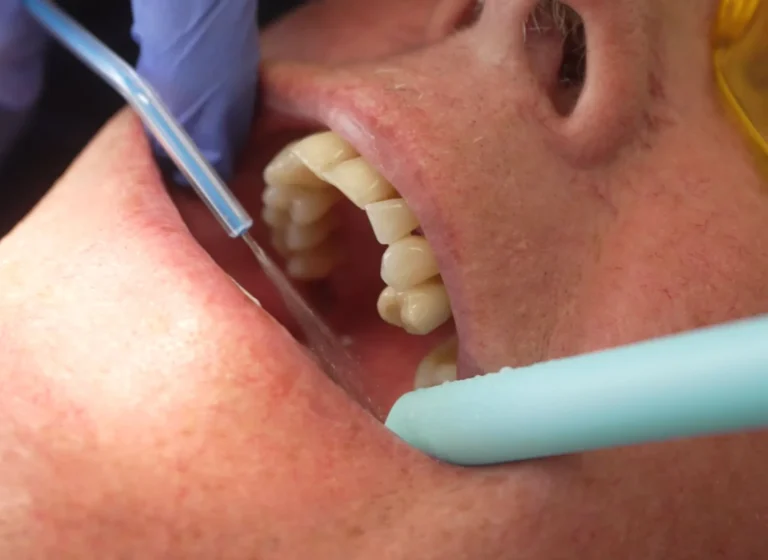
- Professional dental cleaning – The first step is removing all traces of plaque and tartar above and below the gumline. Dr Nooshin Vasfi uses gentle but thorough ultrasonic scalers and hand instruments to ensure complete debridement.
- Improved oral hygiene at home – After cleaning, it’s essential to maintain a consistent and effective home routine. This includes brushing for two minutes twice a day, daily flossing, and using an antibacterial mouthwash when advised.
- Lifestyle modifications – Reducing sugar intake, quitting smoking, managing stress, and staying hydrated can all help improve gum health.
- Monitoring and maintenance – Regular follow-ups with Dr Vasfi will allow for tracking healing progress and preventing relapse.
Most patients begin to see improvements in inflammation, colour, and bleeding within 7–10 days after treatment and adherence to a proper routine.
However, if gingivitis is ignored, it can easily progress to periodontitis, which causes irreversible damage to gum and bone. At that point, treatment becomes more complex and long-term.
Dr Nooshin Vasfi reassures patients that with early care and professional support, gingivitis doesn’t have to become a chronic issue. Prevention and consistency are key.
What Happens If Gingivitis Is Left Untreated?
While gingivitis may start off mild and painless, leaving it untreated can lead to far more serious consequences. Dr Nooshin Vasfi stresses that ignoring early gum inflammation is one of the most common paths to chronic periodontal disease—an irreversible condition that not only affects your oral health, but your overall well-being.
So, what exactly happens when gingivitis is allowed to progress?
⚠️ From Gingivitis to Periodontitis
- The bacteria in plaque begin to migrate below the gumline.
- The body’s immune response triggers deeper inflammation.
- Gum tissue begins to pull away from the tooth, forming periodontal pockets.
- These pockets become breeding grounds for more bacteria.
- Without intervention, the supporting bone structure begins to deteriorate.
As Dr Nooshin Vasfi explains, once the disease progresses to this stage, it becomes chronic and irreversible. Teeth may become loose or shift, the risk of tooth loss increases, and advanced procedures like deep scaling, gum surgery, or bone grafting may be needed.
🔄 Beyond the Mouth: Systemic Effects
Gum disease doesn’t stop at your smile. Research has shown links between untreated periodontal disease and:
- Cardiovascular disease
- Type 2 diabetes
- Respiratory infections
- Preterm birth and low birth weight
- Increased risk of stroke
Dr Vasfi urges patients to see gingivitis as a whole-body warning sign, not just a cosmetic or minor dental issue.
The takeaway? Gingivitis is your opportunity to act before damage becomes permanent. With early detection and consistent care, Dr Nooshin Vasfi helps patients stop gum disease in its tracks—protecting not only their teeth but their overall health.
How Is Gingivitis Treated by a Dentist?
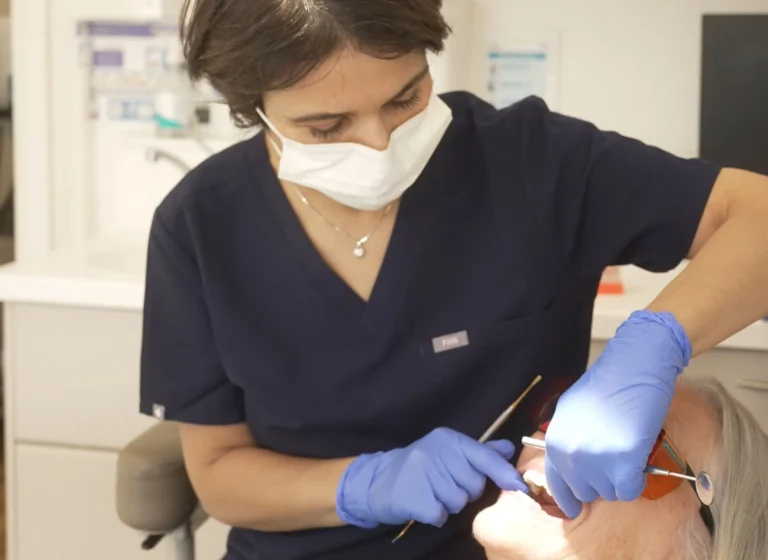
When it comes to treating gingivitis, early professional intervention makes all the difference. While good oral hygiene at home is essential, once plaque hardens into tartar, it can no longer be removed by brushing alone. That’s where the role of a dentist—and in particular, a gum health expert like Dr Nooshin Vasfi—becomes critical.
🦷 Step-by-step approach to gingivitis treatment:
1. Professional Dental Cleaning
The foundation of gingivitis treatment is a comprehensive cleaning to remove plaque and tartar (calculus) from all tooth surfaces, especially around the gumline. Dr Nooshin Vasfi uses gentle yet precise scaling tools—both ultrasonic and manual—to debride areas that are difficult to reach with regular brushing.
2. Gum Assessment and Monitoring
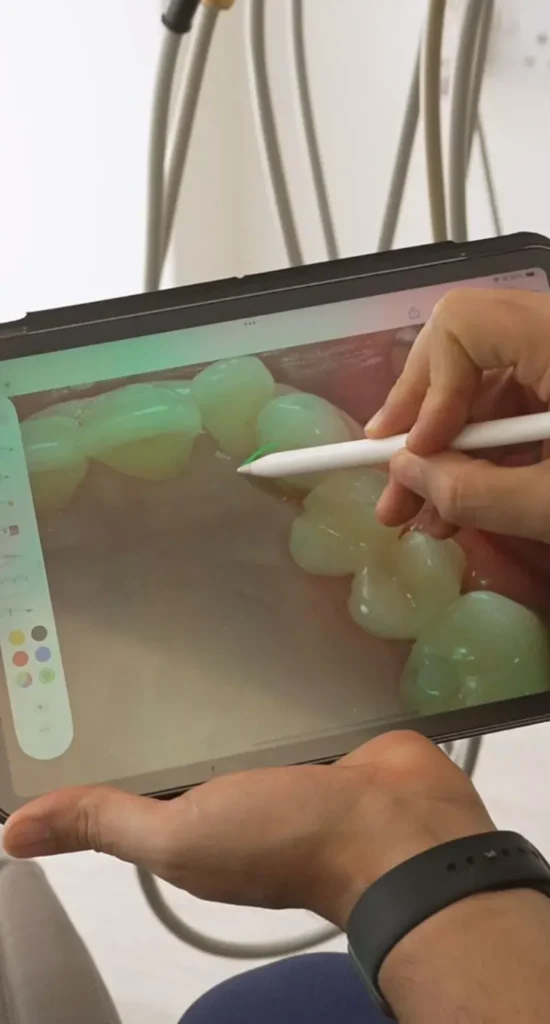
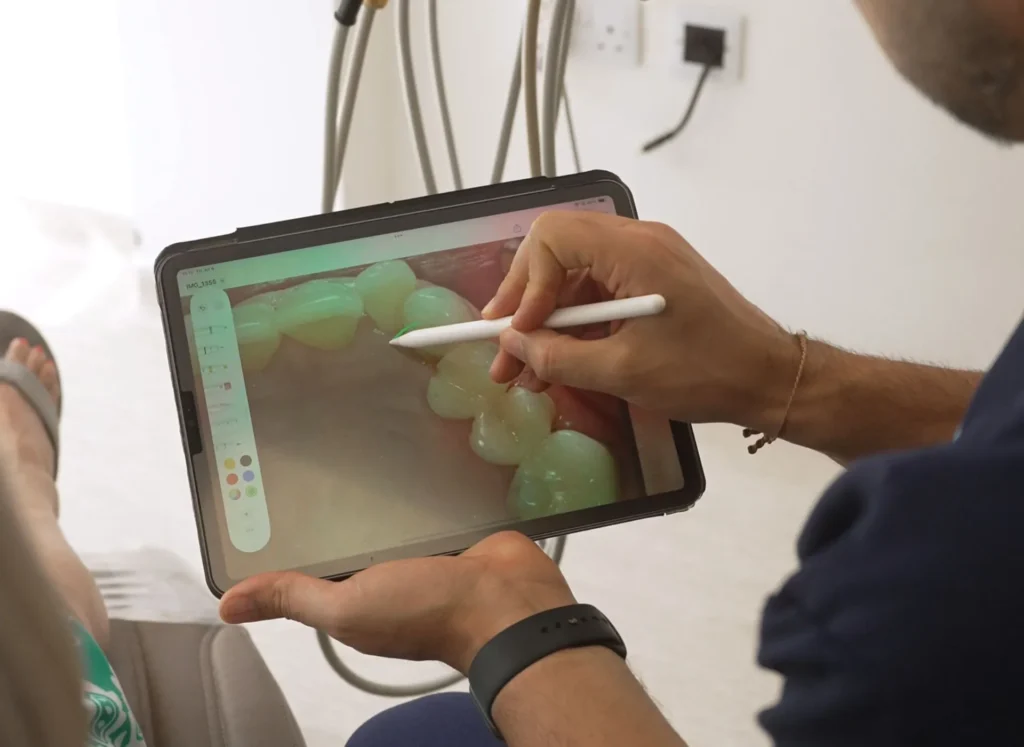
Once the gums are cleaned, Dr Vasfi will perform a detailed periodontal exam. This includes measuring the depth of the gum pockets and assessing for bleeding, swelling, and attachment loss. These measurements help track progress and determine if further treatment is needed.
3. Oral Hygiene Instructions
Every patient is different. Dr Nooshin Vasfi provides personalised guidance on brushing techniques, flossing, and recommended oral care products (such as interdental brushes or antibacterial rinses). Small changes at home often lead to big results.
4. Follow-Up Appointments
Early gingivitis typically resolves within 1–2 weeks after professional cleaning and good home care. However, Dr Vasfi recommends a follow-up after about 14–21 days to reassess gum health and ensure inflammation is fully controlled.
5. Maintenance Visits
Patients who have had gingivitis may require more frequent hygiene appointments—every 3–4 months—to prevent recurrence and catch any signs of relapse early.
By combining clinical precision with preventive education, Dr Nooshin Vasfi ensures that her patients not only recover from gingivitis but also maintain healthy gums for the long term.
Conclusion – What Is Gingivitis?
So, what is gingivitis? It’s more than just a mild gum irritation—it’s a serious warning sign from your body. Gingivitis marks the beginning of gum disease, but the silver lining is that it’s completely reversible when detected and treated early. With proper care, this early stage of inflammation doesn’t need to evolve into permanent gum damage or tooth loss.
As Dr Nooshin Vasfi explains, gingivitis begins silently. It may not cause pain, but it should never be ignored. Symptoms like bleeding gums, puffiness, bad breath, or changes in gum colour are all signs that your oral health is under stress. Fortunately, with a professional cleaning, a dedicated home care routine, and regular dental check-ups, it’s entirely possible to restore gum health.
Left untreated, gingivitis progresses to periodontitis—a condition that can result in bone loss, tooth mobility, and even systemic health issues. That’s why Dr Vasfi urges patients to treat gingivitis as an opportunity to act early, rather than wait for symptoms to become severe.
If you’ve noticed any of the signs discussed in this article or simply want peace of mind about your gum health, book an appointment with Dr Nooshin Vasfi. With a personalised, gentle, and evidence-based approach, she will help you protect your smile before any irreversible damage is done.
Contact me at info@nvendospecialist.co.uk to request more information today!
Or visit me at Premier Smile Dental Excellence in 34 Hockliffe St, Leighton Buzzard LU7 1HJ, UK.