How to Tell If You Need a Root Canal: Warning Signs and Symptoms
Knowing how to tell if you need a root canal can be difficult because dental problems do not always produce obvious symptoms. A tooth affected by inflammation or infection may cause severe pain, but in some cases it may cause only mild sensitivity or no noticeable symptoms at all. This is why relying on pain alone is not enough to determine whether endodontic treatment is necessary.
A root canal treatment may be recommended when the pulp inside a tooth has become irreversibly inflamed or infected. The objective is to remove the affected tissue, carefully clean and disinfect the internal root canal system, and preserve the natural tooth whenever this is clinically possible. In this guide, DR Nooshin Vasfi explains the main warning signs to look for, what different symptoms can mean, when professional assessment is necessary, and how specialist endodontic treatment can help protect your natural tooth.
What Is a Root Canal Treatment and Why Might You Need One?
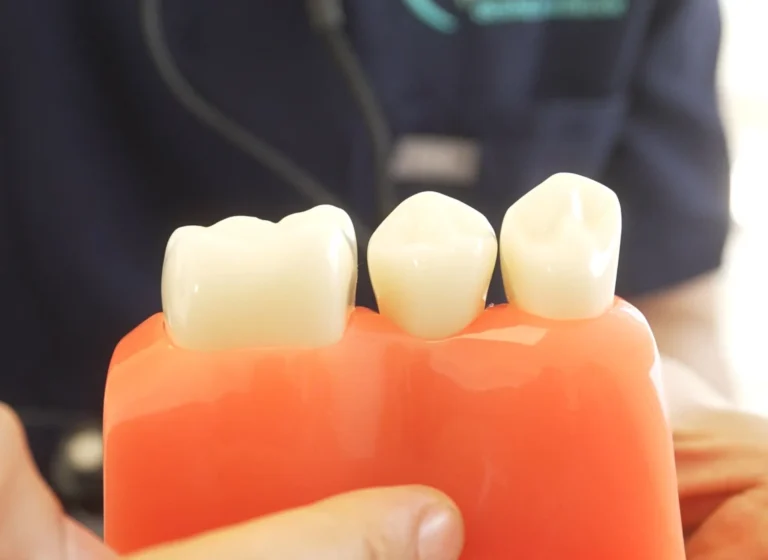
Understanding how to tell if you need a root canal starts with understanding what is happening inside the tooth. Beneath the hard outer layers of enamel and dentine is the dental pulp, a soft tissue containing nerves and blood vessels. If bacteria reach this area through deep decay, cracks, trauma or repeated dental procedures, the pulp can become inflamed or infected.
When the inflammation is severe or irreversible, the pulp may no longer be able to recover naturally. In these circumstances, simply treating the outside of the tooth is not enough. Root canal treatment involves accessing the internal canal system, removing the affected pulp, cleaning and disinfecting the canals, and then sealing them. The tooth can subsequently be restored to protect its remaining structure and return it to function.
The purpose is therefore not simply to eliminate pain. It is to treat the source of the problem while preserving the natural tooth whenever possible.
How Can Tooth Pain Indicate That You Need a Root Canal?
One of the most important clues when considering how to tell if you need a root canal is the nature and duration of your tooth pain. Pain associated with an inflamed dental pulp can have different characteristics. Some patients experience a spontaneous ache that appears without an obvious trigger, while others notice pain when biting or chewing.
You may also experience discomfort that seems disproportionate to the original problem. For example, a tooth may become particularly sensitive after drinking something hot or cold, with the sensation continuing after the stimulus has been removed. Persistent or recurring pain should not simply be ignored or managed indefinitely with painkillers.
However, toothache does not automatically mean that root canal treatment is required. Similar symptoms can occur with other dental conditions, including decay, cracks, gum problems or an incorrectly fitting restoration. A clinical examination is necessary to identify the actual cause rather than assuming that a particular treatment is needed based on symptoms alone.
What Does Sensitivity to Hot and Cold Mean?
If you are wondering how to tell if you need a root canal, pay attention to how your tooth responds to temperature. Sensitivity to cold or hot foods and drinks is common and does not necessarily indicate a serious problem. Brief sensitivity that disappears quickly can have several possible causes, including exposed dentine, gum recession or early decay.
More concerning is sensitivity that is strong, prolonged or occurs spontaneously. For example, you may drink something cold and notice that the affected tooth continues to ache for some time afterwards. You may also notice an increasing reaction to hot drinks or foods. These symptoms can indicate inflammation of the dental pulp and should be assessed by a dentist.
It is important not to diagnose yourself based on temperature sensitivity alone. The location of dental pain can sometimes be difficult to identify, particularly when several teeth are close together. Professional testing and appropriate imaging can help determine which tooth is responsible and whether the pulp is affected.
Can Pain When Biting Mean You Need Root Canal Treatment?
Another important factor when considering how to tell if you need a root canal is discomfort when biting or applying pressure to a particular tooth. You may notice pain when chewing food, touching the tooth with another tooth, or releasing your bite after chewing. This type of symptom can have several possible causes.
Inflammation around the root of a tooth can make it sensitive to pressure. However, pain when biting can also be associated with a cracked tooth, a dental restoration problem, trauma or inflammation of the surrounding tissues. This means that the symptom should be investigated rather than automatically interpreted as evidence that root canal treatment is necessary.
If the discomfort is persistent, becoming more frequent or accompanied by swelling or temperature sensitivity, arrange a professional assessment. DR Nooshin Vasfi can evaluate the tooth and use appropriate diagnostic techniques to establish what is happening. Identifying the cause early can be important when the objective is to preserve the tooth and prevent the condition from becoming more complicated.
Why Can a Tooth Need Root Canal Treatment Without Causing Pain?
One of the most important things to understand when learning how to tell if you need a root canal is that pain is not always present. A tooth can have significant internal damage or infection without producing obvious symptoms. In some cases, the nerve tissue inside the tooth becomes non-vital and no longer responds normally to external stimulation.
An infection can also develop around the root without causing continuous pain. You might notice a small swelling on the gum, occasional discomfort, an unpleasant taste or no symptoms at all. This is one reason routine dental examinations remain important even when your teeth feel healthy.
A dentist may identify changes around the root on an X-ray or CBCT scan that require further investigation. Absence of pain does not necessarily mean absence of disease. If a dentist has recommended an endodontic assessment, it is important to follow up rather than waiting for symptoms to appear.
What Are the Warning Signs of an Infected Tooth?
When considering how to tell if you need a root canal, there are several warning signs that should prompt professional dental assessment. Some symptoms may occur individually, while others can appear together as an infection progresses.
Possible warning signs include:
- persistent or recurring toothache;
- prolonged sensitivity to hot or cold;
- pain when biting or chewing;
- swelling around the tooth or gum;
- tenderness around the root;
- a small pimple or swelling on the gum;
- an unpleasant taste caused by drainage;
- tooth discolouration;
- symptoms that repeatedly disappear and return.
These signs do not automatically mean that root canal treatment is required. Their significance depends on the underlying cause and the condition of the tooth. Nevertheless, persistent dental symptoms should not be ignored. Trying to wait for the problem to disappear can allow an infection to develop further. A professional assessment provides a much clearer picture of whether the pulp is healthy, inflamed, infected or no longer viable.
How Does Swelling Relate to the Need for Root Canal Treatment?
Swelling can be an important warning sign when considering how to tell if you need a root canal. If bacteria have moved from the internal canal system towards the tissues surrounding the root, the body can respond with inflammation. This may result in tenderness, swelling or the formation of an abscess.
The swelling may appear directly next to the affected tooth, around the gum, or sometimes in a larger area of the face. A dental abscess should be assessed promptly because an infection does not resolve simply because the swelling temporarily decreases. The pressure may reduce if an abscess drains, but the underlying source of infection can remain inside the tooth.
Do not attempt to pierce, squeeze or drain a dental swelling yourself. Similarly, do not place harsh substances onto the gum in an attempt to treat the infection. These approaches can cause tissue damage without addressing the source of the problem. Professional diagnosis is essential to determine whether endodontic treatment, another dental procedure or urgent care is required.
Can a Dark or Discoloured Tooth Mean You Need Root Canal Treatment?
Tooth discolouration can sometimes provide a clue when considering how to tell if you need a root canal, particularly when only one tooth has changed colour. A tooth may become darker following trauma or as a result of changes affecting the pulp inside it.
However, discolouration has many possible causes and does not automatically mean that root canal treatment is required. External staining from food, drinks, tobacco or other factors can affect the visible surface of teeth without affecting the internal pulp.
When a single tooth becomes noticeably darker, particularly after previous dental trauma, it is sensible to have it examined. The dentist can assess whether the pulp remains healthy and whether there are any changes around the root. Additional tests or imaging may be appropriate depending on the circumstances.
The important point is not to try to whiten a discoloured tooth at home before understanding why it has changed colour. Cosmetic treatment cannot resolve an underlying internal dental problem.
How Does Dental Trauma Affect the Need for Root Canal Treatment?
Dental trauma is another factor that can help explain how to tell if you need a root canal. A tooth that has been knocked, fractured or subjected to significant force can suffer damage to the pulp even when the external injury appears relatively minor.
After trauma, a tooth may initially feel sensitive and then appear to return to normal. In some cases, however, the pulp may gradually lose its vitality. Symptoms can develop weeks, months or even longer after the original injury. This is why a traumatised tooth may require monitoring even when there is no immediate pain.
If you have experienced a significant impact to a tooth, particularly if it has become discoloured, painful or sensitive, seek professional assessment. The dentist can evaluate the tooth and determine whether further monitoring or treatment is appropriate. Early professional care can help identify complications and establish the best approach for preserving the tooth.
What Happens During an Endodontic Assessment?
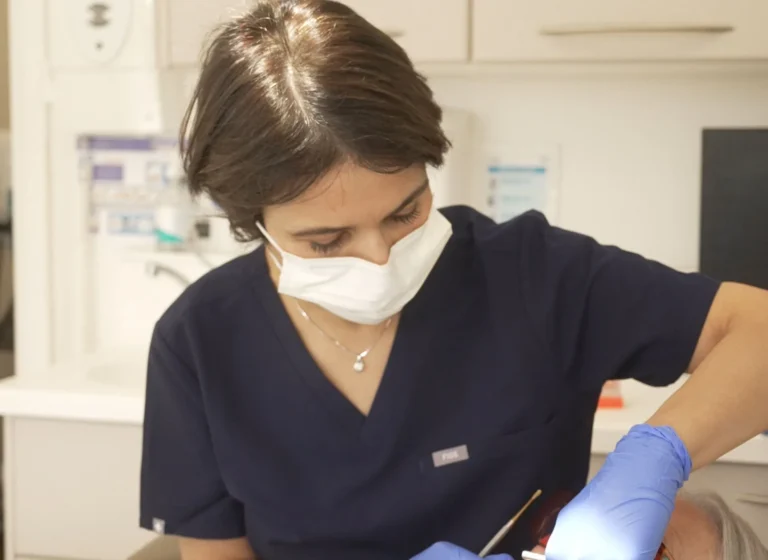
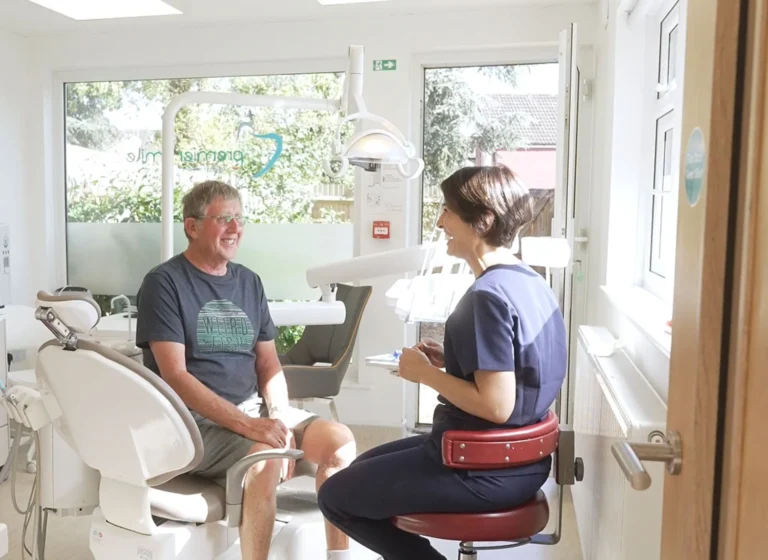
If you are trying to understand how to tell if you need a root canal, the most reliable answer comes from a professional endodontic assessment. DR Nooshin Vasfi begins by listening carefully to the patient’s symptoms and dental history. Understanding when the pain started, what triggers it and whether it has changed over time can provide useful diagnostic information.
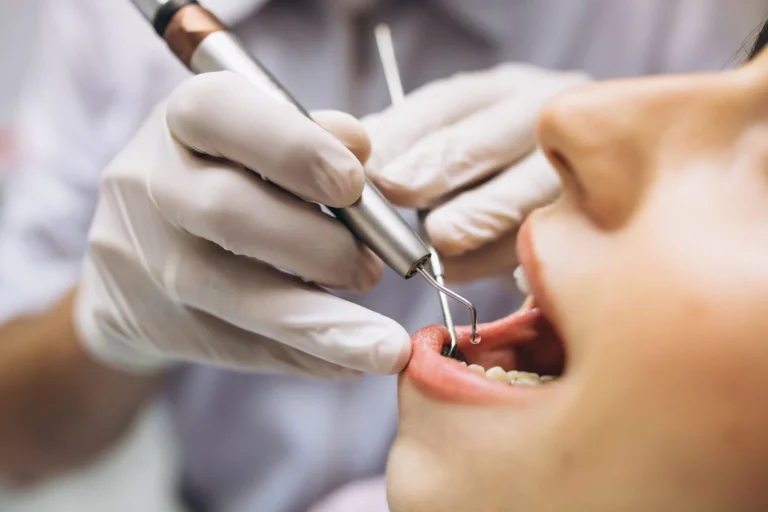
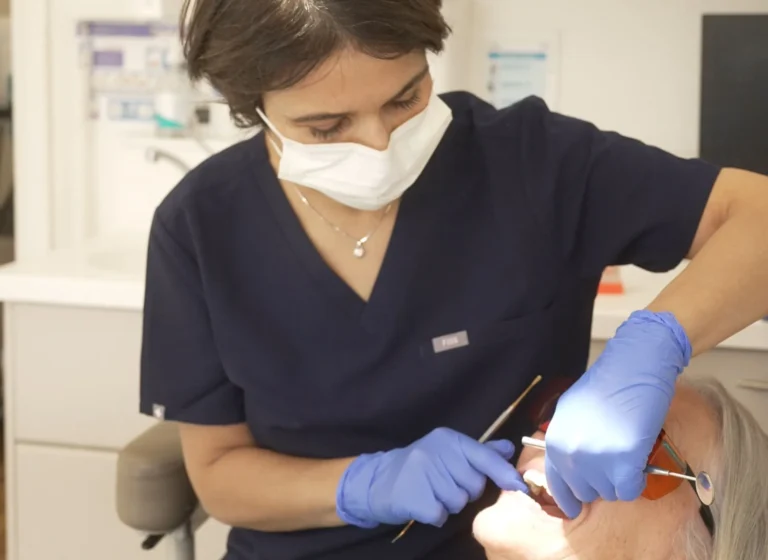
The tooth is then examined clinically. Depending on the situation, this may involve temperature testing, percussion testing, bite assessment and dental imaging. X-rays can provide information about the roots and surrounding bone, while CBCT imaging may be appropriate when a more detailed three-dimensional assessment is required.
This information is considered together rather than relying on a single symptom or test. Endodontic diagnosis can sometimes be complex because pain may be referred from another tooth or structure. A detailed assessment helps determine whether the pulp is healthy, inflamed, infected or non-vital and whether root canal treatment is appropriate.
Why Is CBCT and Microscope-Assisted Dentistry Useful?
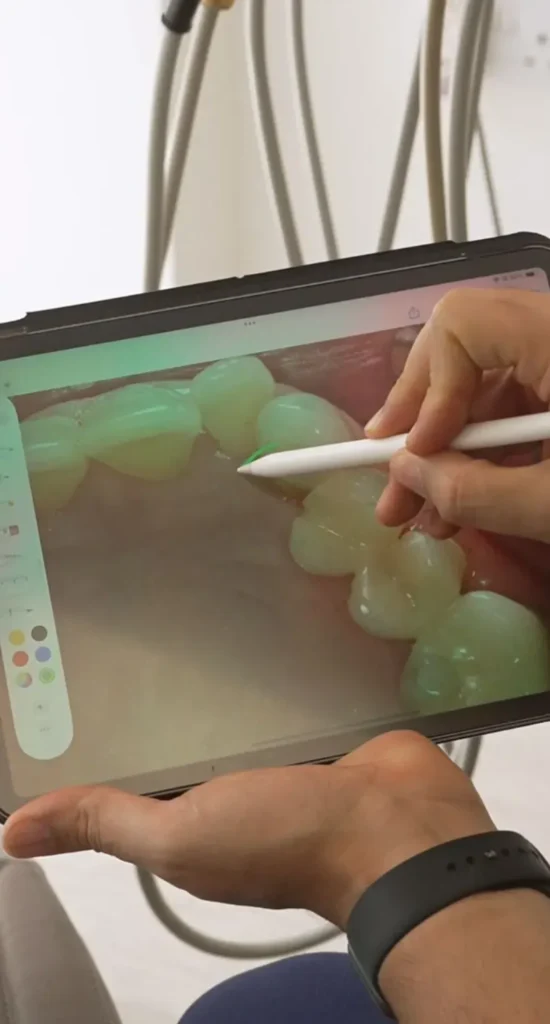
Advanced technology can be particularly valuable when determining how to tell if you need a root canal in a complex case. DR Nooshin Vasfi uses CBCT imaging when clinically appropriate to obtain detailed three-dimensional information about the tooth, roots and surrounding structures.
The internal anatomy of a tooth is not always straightforward. A tooth can contain narrow, curved or additional canals that may not be obvious on conventional two-dimensional images. CBCT can provide additional information that supports diagnosis and treatment planning, particularly in complex situations.
During treatment, microscope-assisted dentistry provides enhanced magnification and illumination. This can help identify small anatomical structures and allow greater precision when working inside the tooth. These technologies do not replace clinical judgement, but they provide valuable information that can support a careful specialist approach.
DR Nooshin Vasfi combines this technology with extensive postgraduate training in endodontics and more than 27 years of clinical experience, with the objective of achieving predictable treatment and a high success rate in appropriate cases.
Can You Treat a Tooth That Needs Root Canal Treatment at Home?
Searching for how to tell if you need a root canal can sometimes lead patients towards home remedies or online advice. It is important to understand that there is no safe DIY method for removing infected pulp or disinfecting a root canal system.
Painkillers may temporarily reduce discomfort, but they do not treat the source of an infection inside the tooth. Applying substances such as alcohol, aspirin or concentrated essential oils directly to the tooth or gum can cause irritation or burns. Attempting to open, puncture or drain an infected area yourself can also introduce bacteria or damage surrounding tissues.
The safest approach is to seek professional diagnosis and treatment. If root canal treatment is indicated, the procedure must be carried out under controlled clinical conditions using appropriate instruments, disinfection techniques and materials. Delaying treatment in the hope that a home remedy will resolve the problem can allow infection to progress and may make treatment more complicated.
When Should You See a Specialist Endodontist?
If you are searching for how to tell if you need a root canal because you have persistent tooth pain, swelling, prolonged sensitivity or another unexplained symptom, professional assessment should not be delayed. The sooner the underlying problem is identified, the sooner an appropriate treatment plan can be considered.
DR Nooshin Vasfi is a Specialist Endodontist with extensive postgraduate training dedicated to endodontic treatment and the preservation of natural teeth. Her clinical approach combines detailed diagnosis with advanced techniques, including microscope-assisted dentistry, CBCT imaging, ultrasonic disinfection and biomaterials when clinically appropriate.
Specialist assessment can be particularly useful for complex anatomy, previous unsuccessful treatment, uncertain diagnoses or teeth that have experienced significant trauma. The purpose is not to recommend root canal treatment automatically, but to establish whether it is the appropriate option for the individual tooth. Every patient requires an assessment based on their specific clinical circumstances.
Conclusion: How to Tell If You Need a Root Canal
Knowing how to tell if you need a root canal begins with recognising the warning signs but does not end with self-diagnosis. Persistent toothache, prolonged sensitivity, pain when biting, swelling, discolouration and previous dental trauma can all indicate that a tooth requires further investigation. At the same time, some teeth with significant internal damage may cause little or no pain.
A professional examination is therefore essential. DR Nooshin Vasfi combines specialist endodontic training, advanced diagnostic technology and extensive clinical experience to determine whether root canal treatment is appropriate and to provide precise care when it is required. If you have symptoms or have been advised to seek an endodontic assessment, contact the practice to arrange an appointment and discuss the condition of your tooth with a Specialist Endodontist.
Contact me at info@nvendospecialist.co.uk to request more information today!
Or visit me at Premier Smile Dental Excellence in 34 Hockliffe St, Leighton Buzzard LU7 1HJ, UK.