What Does a Root Canal Look Like? Step-by-Step Procedure Explained
A root canal treatment is a dental procedure designed to treat problems affecting the inside of a tooth, particularly when the pulp becomes inflamed or infected. Many patients wonder what does a root canal look like because the idea of treating the internal structure of a tooth can seem complex or unfamiliar.
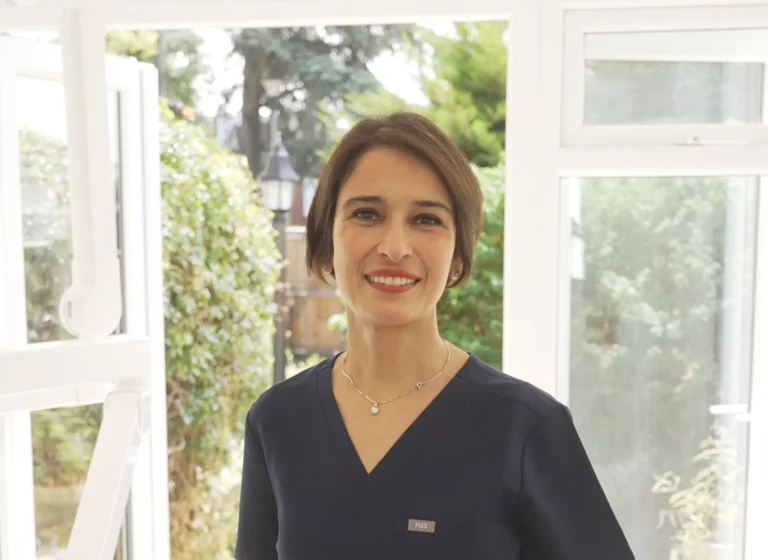
Understanding each stage of the procedure can help reduce concerns and provide a clearer idea of what happens during treatment. A root canal treatment involves careful diagnosis, precise cleaning of the root canals, disinfection, and sealing of the tooth to help preserve its function. In this article, we will explain the different steps involved, the technologies used, and how DR Nooshin Vasfi approaches endodontic care with a focus on precision and patient comfort.
What Does a Root Canal Look Like During the First Appointment?
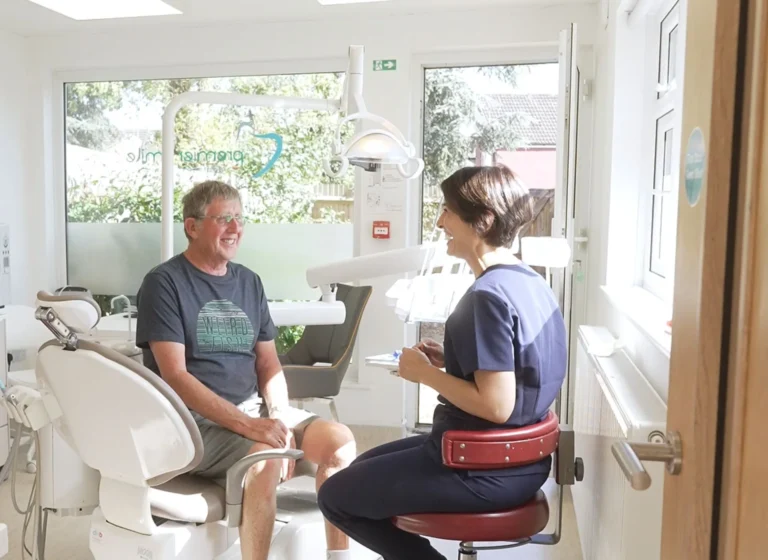
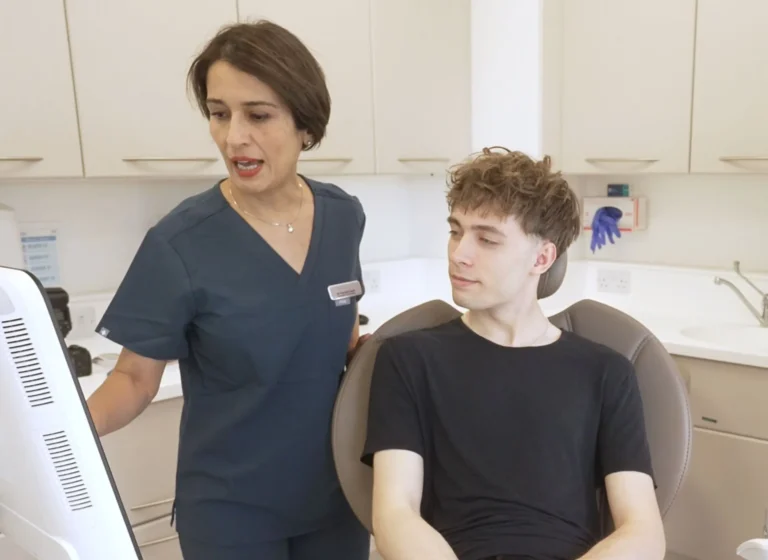
When patients ask what does a root canal look like, the first step to understand is that the procedure begins with a detailed assessment rather than immediate treatment. Before performing any intervention, DR Nooshin Vasfi carries out a careful examination to understand the condition of the tooth and determine whether root canal treatment is appropriate.
The initial appointment usually includes a discussion about symptoms, previous dental history, and any discomfort experienced by the patient. Diagnostic tools such as digital X-rays or CBCT imaging may be used to evaluate the tooth structure, the number of canals present, and the extent of any infection or inflammation.
This diagnostic phase is essential because every tooth has a unique anatomy. Some teeth may have multiple canals, curved roots, or complex internal structures that require a personalised approach. A precise diagnosis allows DR Nooshin Vasfi to create a tailored treatment plan based on the specific characteristics of the patient’s tooth.
During this stage, patients also have the opportunity to ask questions and understand the recommended procedure. Taking time to explain the process helps create a more comfortable experience and allows patients to feel informed before treatment begins.
How Is the Tooth Prepared Before Root Canal Treatment?
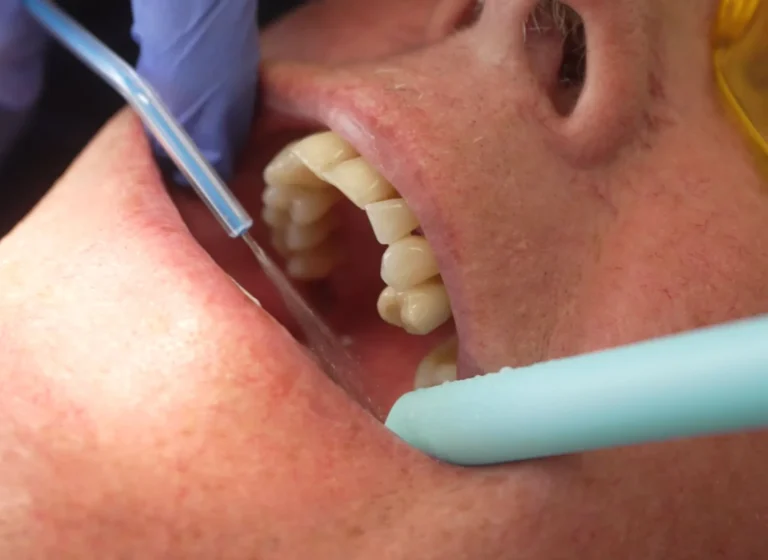
Before starting the procedure, the tooth is carefully prepared to create a safe and controlled environment. This preparation is an important part of understanding what does a root canal look like, as it explains how the dentist accesses the internal area of the tooth while protecting the surrounding tissues.
The area around the tooth is gently cleaned, and local anaesthesia is used to help ensure patient comfort throughout the procedure. A protective dental isolation technique is then used to keep the tooth clean and separated from the rest of the mouth.
The dentist creates a small access opening in the tooth surface to reach the pulp chamber and root canals underneath. The purpose of this opening is not to damage the tooth, but to provide precise access to the area that requires treatment.
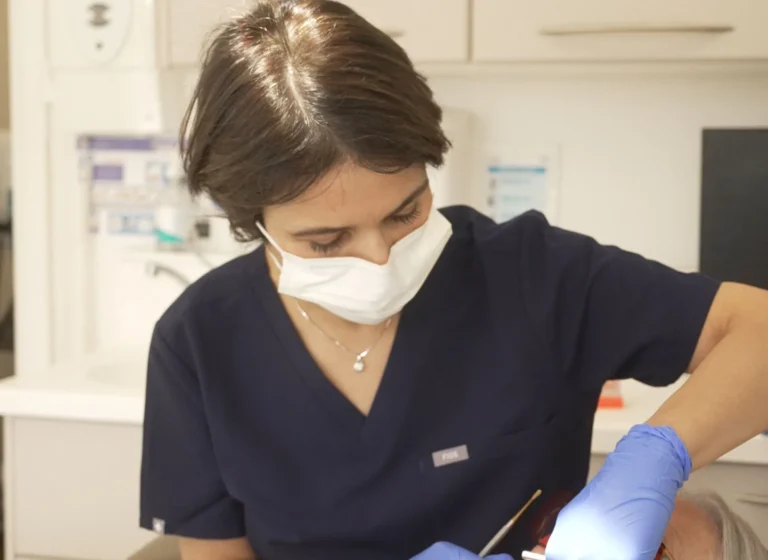
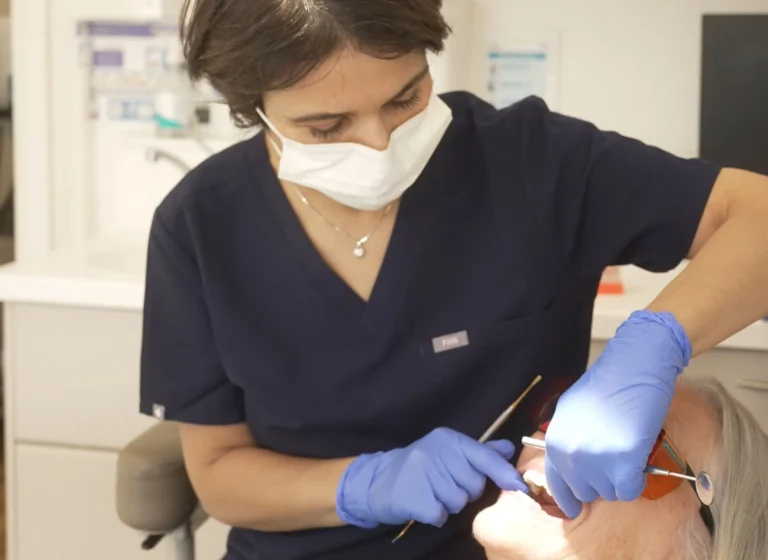
With the support of microscope-assisted dentistry, DR Nooshin Vasfi can view the internal structures of the tooth with enhanced magnification and accuracy. This technology is particularly valuable in endodontics because root canals can be extremely narrow and complex.
A careful approach during this stage helps preserve as much healthy tooth structure as possible while allowing the infected or damaged tissue to be treated effectively.
What Happens Inside the Tooth During a Root Canal?
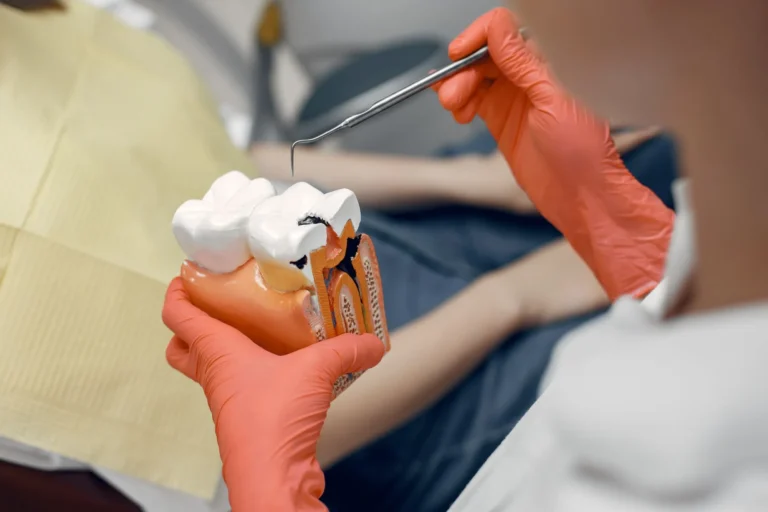
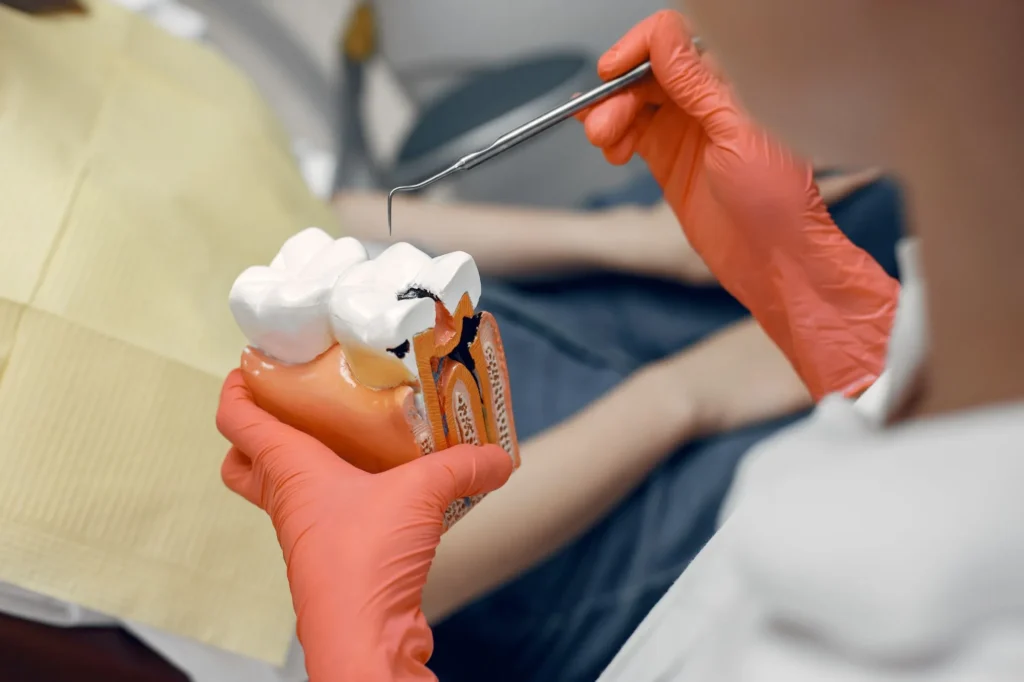
Many patients are curious about what happens beneath the surface of the tooth and what does a root canal look like internally. The main objective of root canal treatment is to remove the affected pulp tissue, clean the root canal system, and prepare the tooth for sealing.
Inside every healthy tooth is a soft tissue called dental pulp, which contains nerves and blood vessels. When bacteria reach this area due to deep decay, cracks, or trauma, the pulp can become inflamed or infected. This may lead to pain, sensitivity, swelling, or discomfort when chewing.
During treatment, DR Nooshin Vasfi carefully removes the damaged pulp from the inside of the tooth. The root canals are then shaped and cleaned using precise techniques designed to eliminate bacteria and remaining tissue.
A key part of successful treatment is thorough disinfection of the root canal system. DR Nooshin Vasfi uses advanced endodontic methods, including ultrasonic disinfection when appropriate, to improve cleaning effectiveness within the complex canal spaces.
The goal is to create a clean environment where the tooth can be sealed and restored. Preserving the natural tooth is often beneficial because it maintains normal function, chewing ability, and the natural structure of the smile.
How Are Root Canals Cleaned and Sealed?
The cleaning and sealing stages are fundamental parts of understanding what does a root canal look like from a clinical perspective. After the infected pulp has been removed, the internal canals must be carefully prepared before they can be permanently sealed.
The cleaning process involves removing bacteria, debris, and remaining infected material from inside the root canals. Because the internal anatomy of teeth can vary significantly, precision is essential. Some teeth have narrow or curved canals that require advanced techniques and careful management.
Once the canals have been thoroughly cleaned and disinfected, they are filled with a biocompatible material designed to seal the internal spaces and help prevent bacteria from returning.
DR Nooshin Vasfi may use advanced biomaterials when clinically appropriate to support predictable healing and long-term stability. The quality of this stage plays an important role in the overall success of treatment.
After the root canal treatment has been completed, the tooth usually requires a final restoration to protect it from fracture and restore its function. The type of restoration depends on factors such as the location of the tooth, the amount of remaining structure, and the individual patient situation.
What Does a Root Canal Look Like With Modern Technology?
Modern technology has changed the way endodontic procedures are performed, making treatment more precise and predictable. When patients search for what does a root canal look like, they often imagine a complicated procedure, but advanced tools allow dentists to work with greater accuracy and control.
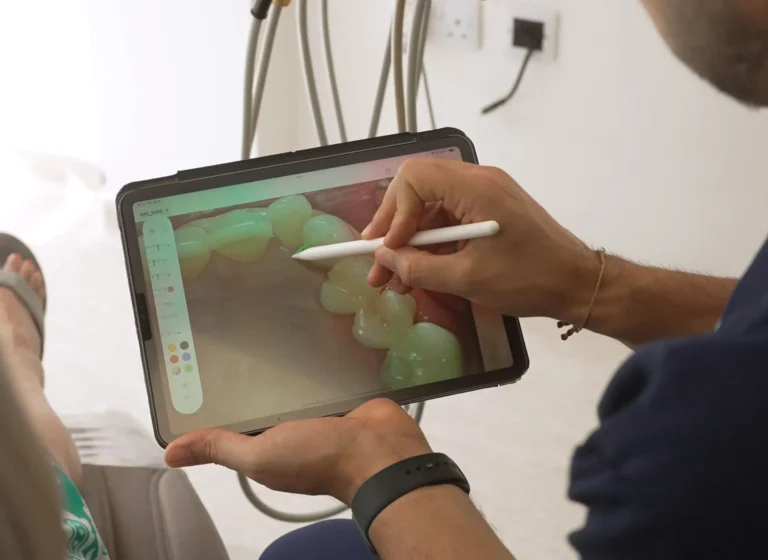
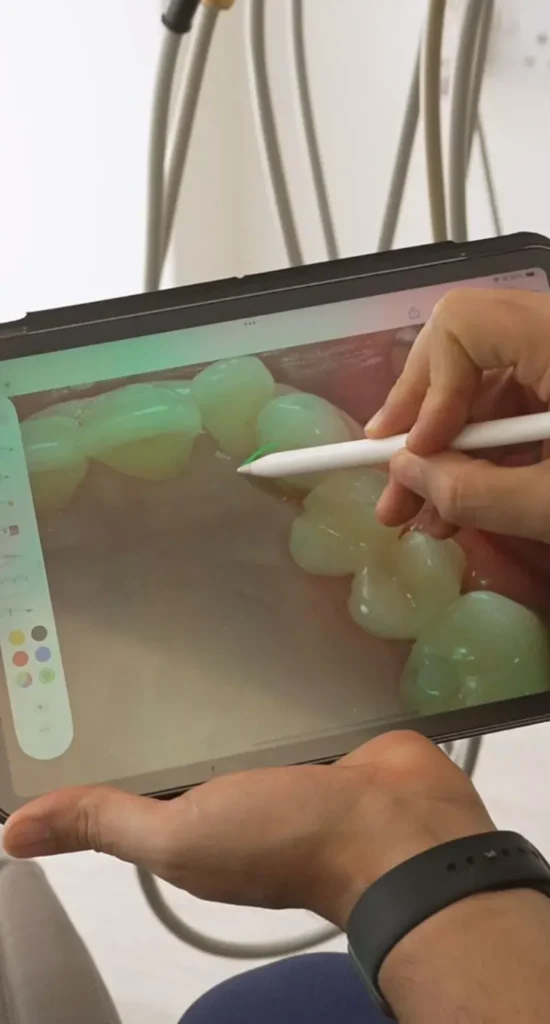
DR Nooshin Vasfi uses technologies that support diagnosis and treatment planning, including CBCT imaging and microscope-assisted dentistry. CBCT provides detailed three-dimensional images of the tooth and surrounding structures, helping identify anatomical features that may not be visible with traditional imaging.
The dental microscope allows improved visibility during treatment, helping the dentist locate small canals and carefully manage complex cases. This is particularly important when treating teeth with unusual anatomy or previous treatment challenges.
Technology does not replace clinical experience, but it provides valuable support for an expert endodontic approach. Combined with advanced training, careful planning, and precise techniques, these tools contribute to achieving a high success rate for endodontic treatments.
For patients, this means receiving care based on detailed information about their individual tooth rather than a standard approach applied to every situation.
Can a Root Canal Treatment Save a Damaged Tooth?
One of the main reasons patients undergo root canal treatment is to preserve a natural tooth that has been affected by infection or inflammation. Understanding what does a root canal look like also means understanding why this treatment is recommended and how it supports long-term oral health.
Without treatment, an infected tooth may continue to cause discomfort and the infection may affect the surrounding tissues. In some situations, leaving the problem untreated can lead to more complex dental issues.
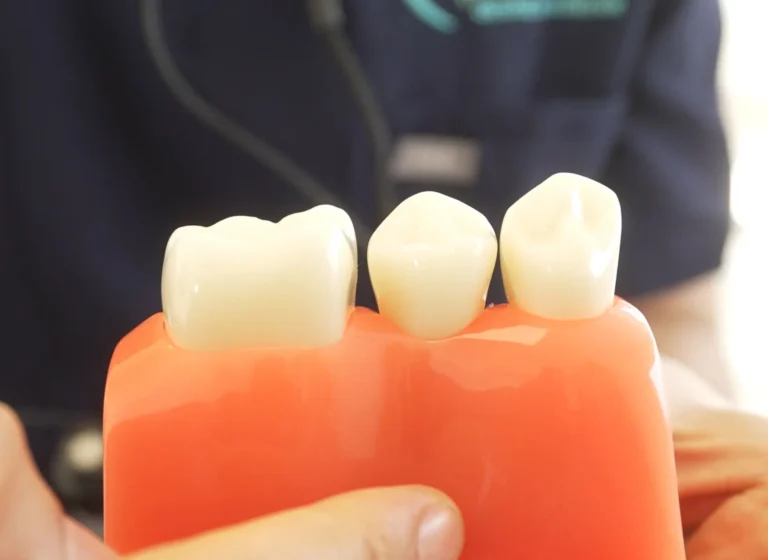
A root canal treatment aims to remove the source of infection while keeping the outer structure of the tooth in place. Once restored correctly, the treated tooth can continue functioning as part of the natural bite.
DR Nooshin Vasfi focuses on preserving teeth whenever possible through careful diagnosis and specialist endodontic techniques. Her postgraduate training in endodontics allows her to manage complex cases where detailed knowledge of tooth anatomy and advanced treatment methods are required.
However, not every tooth is suitable for root canal treatment. A professional evaluation is always necessary to determine whether the tooth can be successfully treated and restored.
Why Choose a Specialist for Root Canal Treatment?
Patients often ask what does a root canal look like and who should perform this type of treatment. While many dentists provide general dental care, endodontics requires additional training focused specifically on diseases and treatments affecting the internal structures of teeth.
DR Nooshin Vasfi is a Specialist Endodontist with extensive postgraduate training and more than 27 years of clinical experience. Her expertise is focused on procedures designed to save teeth, including complex root canal treatments and vital pulp treatments.
Seeing an experienced professional for endodontic care can be particularly important when a case involves complicated anatomy, previous unsuccessful treatment, or a higher level of precision.
At Premier Smile Dental Excellence in Leighton Buzzard, patients benefit from an approach based on specialist knowledge, advanced technology, and personalised care. Every case is assessed individually, with attention given to diagnosis, treatment planning, and patient comfort.
The objective is always to provide safe and effective treatment while helping patients understand every stage of their dental care journey.
How Should You Care for Your Tooth After a Root Canal?
After understanding what does a root canal look like, many patients also want to know what happens after treatment and how they can protect their restored tooth.
Following a root canal treatment, it is normal for the tooth and surrounding area to require some time to settle. DR Nooshin Vasfi provides guidance based on the individual situation, including recommendations for maintaining oral hygiene and protecting the treated tooth.
Good daily habits remain important after treatment. These include:
- maintaining regular brushing and interdental cleaning;
- attending recommended dental reviews;
- avoiding delaying treatment if new symptoms appear.
The long-term success of a root canal treatment depends on several factors, including the quality of the procedure, the final restoration, and ongoing oral care.
A treated tooth can continue to function for many years when it receives appropriate protection and maintenance. Professional monitoring helps identify any changes early and supports continued long-term oral health.
Conclusion: Understanding What Does a Root Canal Look Like
Understanding what does a root canal look like can help patients feel more informed about a procedure designed to preserve natural teeth and treat internal dental problems. From diagnosis and preparation to cleaning, sealing, and restoration, every stage requires careful planning and precision.
DR Nooshin Vasfi combines advanced endodontic knowledge, microscope-assisted dentistry, and modern diagnostic techniques to provide personalised care for patients requiring root canal treatment. A professional evaluation is essential because every tooth has different characteristics and requires an individual approach.
If you are experiencing symptoms or have been advised that you may need endodontic treatment, contacting the practice can help you understand your options and identify the most appropriate solution for your dental health.
Contact me at info@nvendospecialist.co.uk to request more information today!
Or visit me at Premier Smile Dental Excellence in 34 Hockliffe St, Leighton Buzzard LU7 1HJ, UK.