Can a Root Canal Get Infected Again?
A root canal treatment is designed to remove infected or inflamed tissue from inside a tooth, clean and disinfect the root canal system, and seal it to help prevent bacteria from returning. However, patients sometimes wonder can a root canal get infected again after treatment has already been completed. Although modern endodontic treatment has a high success rate, a previously treated tooth can sometimes develop new symptoms or show signs of persistent or recurrent disease.
This does not necessarily mean that the original treatment was unsuccessful or that the tooth must be removed. There can be several explanations, including complex root anatomy, untreated canals, leakage around a restoration, a new dental problem or a fracture. Recognising the symptoms and arranging an appropriate assessment is therefore important. In this article, DR Nooshin Vasfi explains why a treated tooth can become infected again, what warning signs to look for, how recurrent infection is diagnosed and what options may be available to preserve the natural tooth.
Can a Root Canal Get Infected Again After Treatment?
The question can a root canal get infected again requires an understanding of what happens inside a tooth after treatment. Root canal treatment removes the dental pulp and cleans the internal canal system, but the tooth remains exposed to the normal environment of the mouth through its restoration. If bacteria find a pathway back into the treated canal system, an infection can potentially develop again.
There are several possible reasons for this. A canal may have been difficult to locate or clean because of complex anatomy, or a very small additional canal may have remained untreated. In other situations, bacteria can enter through a defective or damaged restoration. A new crack or fracture can also create an opportunity for bacteria to reach areas that should remain sealed. Importantly, recurrence does not automatically mean that the tooth cannot be saved. A detailed endodontic assessment can establish what has happened and whether further treatment is appropriate.
Why Can a Previously Treated Tooth Become Infected Again?
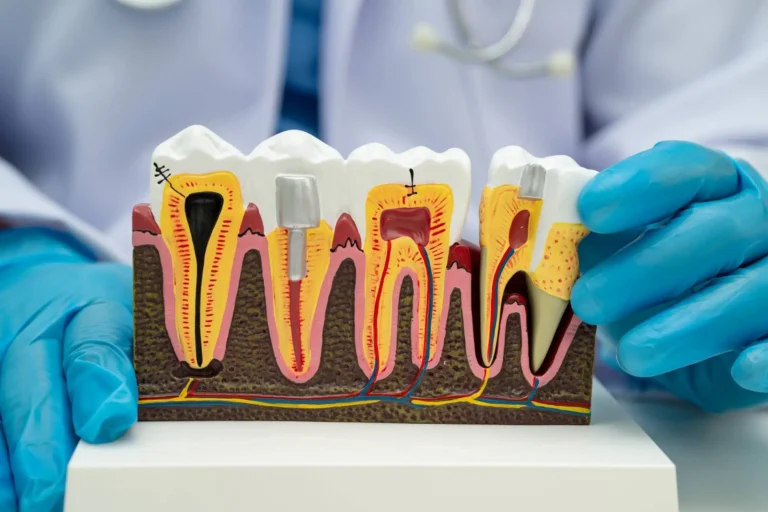
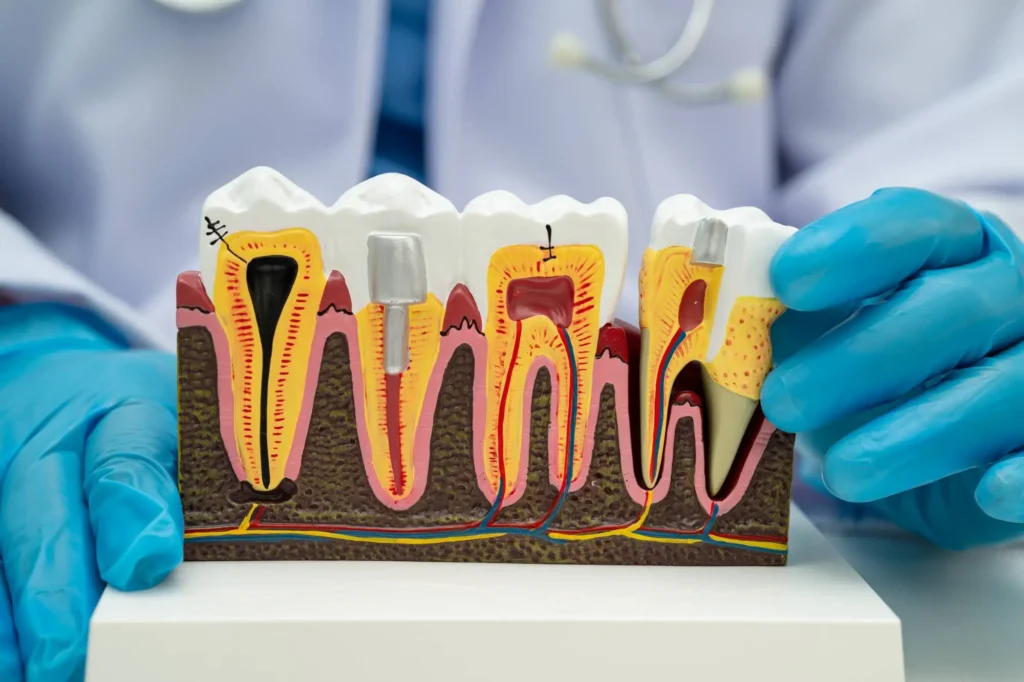
Understanding can a root canal get infected again also means understanding that root canal systems are not simple straight tubes. The internal anatomy of a tooth can contain multiple canals, narrow branches, curves and small spaces. Some of these structures can be particularly difficult to identify and clean, especially when the anatomy is unusual.
A previously treated tooth can also develop a problem because the final restoration has become damaged or compromised. If a filling or crown no longer provides an adequate seal, bacteria from the mouth can potentially enter the tooth. A new cavity can have a similar effect. In some cases, the original treatment may have appeared successful for many years before a new problem developed. This is why the history of the tooth, the quality of the existing restoration and the current condition of the surrounding tissues all need to be considered together when investigating symptoms.
What Symptoms Can Indicate a Reinfected Tooth?
When asking can a root canal get infected again, patients often want to know which symptoms should make them seek professional advice. A previously treated tooth that becomes painful again should be assessed, particularly if the discomfort is persistent or progressively worsening. However, symptoms can vary considerably from one patient to another.
Possible warning signs include:
- pain when biting or chewing;
- recurring or persistent toothache;
- swelling around the tooth or gum;
- tenderness in the surrounding tissues;
- a small swelling or pimple on the gum;
- an unpleasant taste or drainage;
- increased sensitivity or discomfort;
- changes in the appearance of the tooth.
The presence of one of these symptoms does not automatically prove that infection has returned. A previously treated tooth can become uncomfortable for several different reasons, including a crack, problems with the restoration or inflammation around the root. Professional diagnosis is therefore essential rather than relying on symptoms alone.
Can a Root Canal Get Infected Again Without Causing Pain?
One important aspect of can a root canal get infected again is that infection does not always cause obvious pain. Some patients assume that a treated tooth must be completely symptom-free if everything is healthy, but dental infections can sometimes develop without producing significant discomfort.
A dentist may identify changes around the root of a previously treated tooth during a routine examination or on dental imaging even when the patient feels completely well. This is one reason why clinical examination and appropriate imaging are important when monitoring teeth that have previously undergone endodontic treatment. An absence of pain does not necessarily confirm that there is no underlying problem.
If a previously treated tooth has an abnormal appearance on an X-ray or CBCT scan, further assessment may be recommended. The objective is to understand whether the finding represents persistent infection, a healing process, scar tissue or another condition. Different causes can look similar, so interpretation by an experienced clinician is particularly important.
How Do You Know If Root Canal Treatment Has Failed?
Patients searching for can a root canal get infected again may use the term “failed root canal” to describe any tooth that becomes uncomfortable after treatment. Clinically, however, the situation is more nuanced. A previously treated tooth can have persistent disease, develop a new infection, or experience another dental problem that is unrelated to the original endodontic treatment.
A treatment may require further investigation if symptoms persist, if a lesion around the root does not heal as expected, or if a new lesion develops after an initial period of successful healing. The dentist will consider the patient’s symptoms, clinical findings and imaging rather than reaching a conclusion based on pain alone.
DR Nooshin Vasfi takes a detailed approach to assessing previously treated teeth. The objective is to identify the underlying reason for the problem and determine whether further endodontic treatment can address it. Where appropriate, this may provide an opportunity to preserve the natural tooth rather than proceeding directly to extraction.
What Causes Persistent Infection After Root Canal Treatment?
When considering can a root canal get infected again, one possible explanation is that bacteria remain in an area of the root canal system that could not be adequately reached during the original treatment. The internal anatomy of a tooth can be highly complex, with additional canals or narrow branches that are not always immediately visible.
Other factors can include inadequate sealing, leakage around the restoration or anatomical complications that make complete disinfection more challenging. The presence of a dental crack can also allow bacteria to enter the tooth or surrounding tissues.
The important point is that persistent infection has to be investigated rather than assumed. Advanced diagnostic tools can help identify possible causes and determine whether the tooth is suitable for further treatment. DR Nooshin Vasfi uses microscope-assisted dentistry and CBCT imaging where clinically appropriate, supporting a more detailed assessment of the internal anatomy and surrounding structures.
Can a New Cavity Cause Infection in a Root-Treated Tooth?
A common question surrounding can a root canal get infected again is whether decay can affect a tooth that has already undergone treatment. Although the dental pulp has been removed, the external tooth structure remains vulnerable to decay in the same way as other teeth.
If a new cavity develops and progresses deeply, bacteria can potentially reach areas associated with the previous treatment. A compromised filling or crown can also allow bacteria to penetrate beneath the restoration. For this reason, good oral hygiene and regular dental examinations remain important even after successful root canal treatment.
Patients should not assume that a treated tooth no longer requires routine care. Brushing, interdental cleaning, appropriate dietary habits and regular professional examinations all contribute to maintaining the tooth and its restoration. If a restoration becomes loose, fractured or damaged, it should also be assessed rather than left untreated.
Can a Cracked Tooth Cause a Root Canal to Become Infected Again?
When patients ask can a root canal get infected again, a crack or fracture is another important factor to consider. Teeth that have undergone extensive treatment may have less remaining natural structure than an untreated tooth, which can increase the importance of appropriate restoration and protection.
A crack can create a pathway through which bacteria enter the tooth or surrounding tissues. Depending on its location and severity, a crack may also affect whether the tooth can be successfully restored. Symptoms can include pain when biting, discomfort when releasing the bite, intermittent sensitivity or recurring inflammation.
Not every cracked tooth requires the same treatment, and some cracks may be difficult to identify without detailed examination. If a previously treated tooth develops unexplained symptoms, DR Nooshin Vasfi can assess the tooth and consider whether a structural problem could be contributing to the symptoms. Attempting to manage a suspected fracture without professional assessment can allow the damage to progress.
How Is a Reinfected Root-Treated Tooth Diagnosed?
Understanding can a root canal get infected again requires more than simply looking at the tooth in the mouth. Endodontic diagnosis combines the patient’s symptoms, clinical examination and appropriate imaging. The dentist may assess the tooth’s response to pressure, examine the surrounding gum and look for swelling or drainage.
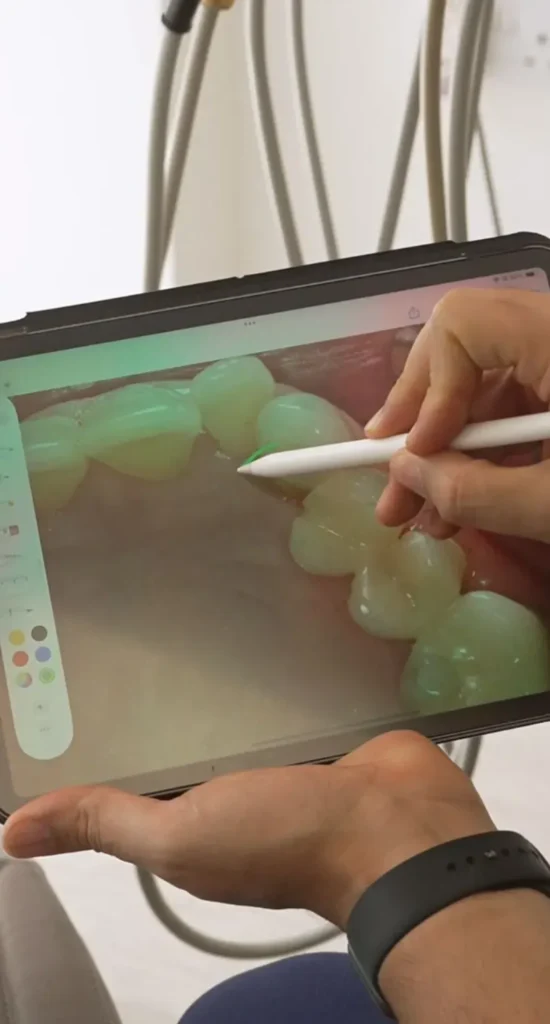
Imaging can provide additional information about the roots, surrounding bone and internal anatomy. Conventional dental X-rays can be useful, while CBCT imaging may be recommended when a three-dimensional assessment is clinically justified. This can be particularly helpful when the anatomy is complex or when previous treatment makes interpretation more difficult.
DR Nooshin Vasfi combines detailed clinical assessment with advanced imaging when appropriate. Her Specialist Endodontist training allows her to investigate complex cases with a specific focus on the internal structures of teeth. The aim is to determine the cause of the problem before recommending any further treatment.
Why Is CBCT Useful When a Root Canal Becomes Infected Again?
For complex cases involving can a root canal get infected again, three-dimensional imaging can provide information that may not be visible on a conventional two-dimensional X-ray. CBCT, or Cone Beam Computed Tomography, produces detailed images of the tooth and surrounding structures from multiple angles.
This can help identify additional canals, changes around the root, unusual anatomy or possible complications associated with previous treatment. It can also assist with treatment planning when a tooth has already undergone root canal treatment and the anatomy is more difficult to interpret.
CBCT is not required for every patient. It involves additional radiation exposure and should therefore be used when the information it provides is clinically justified. When appropriate, however, it can be a valuable diagnostic tool for complex endodontic cases. Combined with clinical examination and microscope-assisted treatment, advanced imaging can help create a more complete understanding of the tooth before further treatment is considered.
How Can Microscope-Assisted Dentistry Help With Previous Root Canal Treatment?
Patients wondering can a root canal get infected again may also want to understand why a Specialist Endodontist may use a dental microscope. The internal structures of a tooth can be extremely small, and previous treatment can make them even more challenging to identify.
Microscope-assisted dentistry provides magnification and enhanced illumination, allowing the clinician to inspect the tooth with greater detail. This can be particularly useful when searching for a previously untreated canal, assessing complex anatomy or identifying small details that could influence treatment.
DR Nooshin Vasfi uses microscope-assisted techniques as part of her endodontic approach. Her extensive postgraduate training and clinical experience allow her to combine visual magnification with detailed knowledge of root canal anatomy. The technology itself does not guarantee an outcome, but it can support greater precision and controlled treatment when managing complex cases.
Can a Previously Failed Root Canal Be Retreated?
If you are asking can a root canal get infected again, one possible treatment option is endodontic retreatment. Retreatment involves accessing the previously treated tooth, removing the existing root canal filling materials where appropriate, reassessing the internal anatomy, and cleaning and disinfecting the canals again.
The objective is to identify and address the reason the tooth has not healed as expected. This may involve locating an untreated canal, addressing persistent infection or improving the cleaning and sealing of the root canal system. Each retreatment case is different, and its suitability depends on factors such as the amount of remaining tooth structure, the condition of the restoration and the presence of cracks or other structural problems.
DR Nooshin Vasfi can assess these factors before recommending retreatment. Where the tooth has a reasonable prognosis, retreatment may provide an opportunity to preserve the natural tooth and restore its function.
What Happens During Endodontic Retreatment?
When considering can a root canal get infected again, patients may be concerned that retreatment means simply repeating the original procedure. In reality, retreatment requires a new assessment of the tooth and an understanding of why the previous treatment did not achieve the expected result.
The existing root canal filling materials may need to be removed to allow access to the internal canal system. Under microscope-assisted magnification, the canals can then be reassessed and cleaned. Additional anatomy may be identified, and ultrasonic disinfection or appropriate biomaterials may be used when clinically indicated.
The tooth is then sealed again according to the specific requirements of the case. A suitable final restoration is also important because the tooth needs protection against bacterial leakage and structural damage. The treatment is planned around the individual tooth rather than following an identical protocol for every patient.
Can an Infected Root Canal Be Treated Without Removing the Tooth?
The possibility of preserving the natural tooth is one of the main reasons patients ask can a root canal get infected again. If a previously treated tooth develops infection, extraction is not automatically the only option. Depending on the cause and condition of the tooth, endodontic retreatment may be considered.
The decision depends on several factors, including the remaining tooth structure, the quality of the existing restoration, the presence or absence of fractures, the condition of the surrounding tissues and the complexity of the root canal anatomy.
A Specialist Endodontist can evaluate these factors and explain whether further treatment has a reasonable prognosis. Preserving a natural tooth can have important functional advantages, but treatment should only be recommended when it is clinically appropriate. If the tooth cannot be predictably restored or has a structural problem that prevents successful treatment, other options may need to be discussed.
How Can You Reduce the Risk of Infection After Root Canal Treatment?
Although patients ask can a root canal get infected again, there are practical steps that can help protect a treated tooth. The first is to ensure that the tooth receives the appropriate definitive restoration when recommended. A well-maintained restoration helps protect the tooth and reduce the opportunity for bacteria to enter through the coronal part of the tooth.
Good daily oral hygiene is also essential. Patients should continue brushing twice daily, cleaning between the teeth and attending regular dental examinations. A treated tooth should not be considered permanently protected from decay or structural damage.
It is also important to respond promptly if the tooth becomes painful, swollen or damaged. A loose or fractured restoration should be assessed rather than ignored. Early investigation may make it easier to identify and address a problem before it becomes more extensive. Professional monitoring remains an important part of maintaining the long-term health of a root-treated tooth.
Should You Try to Treat a Reinfected Tooth at Home?
Patients searching can a root canal get infected again may find online recommendations for home remedies intended to stop dental pain or infection. These should not be used as a substitute for professional dental care. An infection inside a previously treated tooth cannot be safely removed with household substances, supplements or topical remedies.
Painkillers may temporarily reduce symptoms, but they do not remove bacteria from the root canal system. Similarly, attempting to puncture, squeeze or drain swelling can damage the surrounding tissues and does not address the source of the infection.
A professional assessment is particularly important if you develop facial swelling, significant pain, fever, difficulty swallowing or other signs of a potentially spreading infection. These symptoms require appropriate dental evaluation rather than home treatment. Safe endodontic care begins with identifying the cause and selecting treatment based on the individual clinical situation.
What Is the Long-Term Outlook After Endodontic Retreatment?
When considering can a root canal get infected again, patients naturally want to know whether further treatment can be successful. Endodontic treatment has a high success rate when appropriate diagnosis, careful cleaning and disinfection, effective sealing and suitable restoration are achieved. However, the prognosis of a previously treated tooth depends on the specific circumstances.
Factors such as the original cause of infection, the complexity of the root canal anatomy, the presence of cracks and the condition of the remaining tooth structure can all influence the outcome. This is why a Specialist Endodontist needs to evaluate the individual tooth before providing a prognosis.
DR Nooshin Vasfi combines specialist postgraduate training, more than 27 years of clinical experience and advanced endodontic technology when managing complex cases. Her focus is on accurate diagnosis and carefully planned treatment designed to achieve a high success rate while preserving the natural tooth whenever this is clinically achievable.
When Should You See a Specialist Endodontist?
If you are asking can a root canal get infected again because a previously treated tooth has started to hurt, swell or feel different, it is sensible to arrange a professional assessment. You should not assume that recurring symptoms will disappear on their own, particularly if they are becoming more frequent or are accompanied by swelling.
A Specialist Endodontist can investigate the tooth in detail and determine whether the symptoms are related to persistent infection, a new infection, a structural problem or another dental condition. DR Nooshin Vasfi has advanced postgraduate training in endodontics and restorative dentistry, with extensive experience treating complex cases involving the internal structures of teeth.
At Premier Smile Dental Excellence in Leighton Buzzard, patients can receive a detailed assessment supported by appropriate imaging and advanced clinical techniques. The aim is to understand the problem first and then determine whether the natural tooth can be safely preserved.
Conclusion: Can a Root Canal Get Infected Again?
So, can a root canal get infected again? Yes, a previously treated tooth can develop persistent or recurrent infection, although modern root canal treatment has a high success rate. Symptoms such as renewed toothache, pain when biting, swelling, drainage or changes around the root should be assessed rather than ignored. Importantly, recurring symptoms do not automatically mean that the tooth must be extracted.
DR Nooshin Vasfi combines Specialist Endodontist training, extensive clinical experience, microscope-assisted dentistry, CBCT imaging and advanced disinfection techniques to assess and treat complex endodontic cases. Depending on the condition of the tooth, retreatment may provide an opportunity to address the underlying problem and preserve the natural tooth.
If a previously treated tooth has developed new symptoms or you have been advised that further endodontic assessment is required, contact Premier Smile Dental Excellence to arrange an appointment and discuss your individual situation with DR Nooshin Vasfi.
Contact me at info@nvendospecialist.co.uk to request more information today!
Or visit me at Premier Smile Dental Excellence in 34 Hockliffe St, Leighton Buzzard LU7 1HJ, UK.